
Hospice is a specialized form of medical care geared towards patients who are nearing the end of their life. Unlike palliative care, which is designed to provide patients in the advanced stages of an illness with comfort and pain relief, hospice care is specifically for patients with irreversible and terminal conditions.
It can be very difficult for patients and their families to think about death and end-of-life care, which is why there are many misconceptions and myths about hospice care. You might have heard that hospice is “giving up.” Perhaps you have thought that yourself. These myths and misconceptions can prevent individuals and their families from getting the care and support they need during difficult times.
The truth about hospice is that its purpose is to provide care, support, and comfort to both patients and their family members.
Here are 5 common myths about hospice care and the truth that debunks these misconceptions.
Hospice Myth #1: Hospice is Giving Up and Losing Hope
This is probably one of the most common myths about hospice care. While hospice care is for individuals with terminal/incurable illnesses, it is not giving up or losing hope. In fact, hospice care is meant to show patients that there is still more to life than their disease.
Hospice focuses on a person’s comfort and dignity when they are nearing the end of their life. Hospice team members help their patients live life to the fullest, no matter how much time they have left.
Hospice Myth #2: Hospice is a Specific Place
Many people imagine that hospice care always occurs at a hospital or specific hospice facility. However, the truth is that hospice occurs wherever a patient calls home. Most hospice patients receive care at home, whether that’s their personal residence, a family member’s home, an assisted living facility, or a long-term care facility. In some instances, in-patient care is necessary for individuals whose pain or symptoms cannot be adequately managed at home.
At Capital Caring, we offer short-term care in a specialized hospice facility for medically necessary reasons and short-term respite care (up to five days) in a facility when the family is either unavailable to provide care or needs a break from caregiving.
Hospice Myth #3: Hospice is only for the Elderly
While it is easy to see why the public may believe this misconception since a majority of individuals receiving hospice care are over 70, hospice is not exclusive. Hospice services are available for people of all ages, including infants, as long as they meet eligibility criteria.
Most people who seek hospice care are experiencing chronic or terminal conditions, such as

Hospice Myth #4: Hospice Care is Only for Patients with Little Time to Live
Hospice isn’t just for patients who only have days (or hours) to live. In fact, someone can be in hospice for up to six months or even longer, depending on the individual circumstances. To receive the greatest benefit, a patient should spend at least two to three months in hospice care. This gives patients extended time with family, friends, and pets while remaining comfortable.
While hospice care neither hastens death nor prolongs life, surveys show that both patients and families are more satisfied the longer a patient receives hospice services. According to the National Institutes of Health, 90% of hospice patients die within six months of entering hospice care. While it is rare, in some instances, patients have improved and recovered well enough in hospice to be discharged.
Hospice Myth #5: Hospice and Palliative Care are the Same
While both hospice and palliative care services manage pain and provide comfort care during a serious illness, the terms are not interchangeable. When you choose hospice care, you are not pursuing curative treatments for your illness/disease, whereas when you choose palliative care, you may still receive curative treatments. Palliative care patients’ conditions may be reversed through surgery, medication, or other means.
You can find more information on the differences between the two in our blog, What is the Difference Between Palliative Care and Hospice Care?
Learn the Truth About Hospice at Capital Caring Health
Don’t let the common myths about hospice stop you from getting the compassionate care you deserve. If you or a loved one might benefit from hospice care, we have the detailed information and support you need. For more information on hospice care myths, read over our Hospice frequently asked questions.
Once you choose to receive hospice services, care usually begins within 24-48 hours. For more information on our hospice services in Maryland, Virginia, and Washington D.C., call our 24-Hour Care Line at (800) 869-2136.
 Kathleen Ramkaran, RN, CCM
 Hali Gantumur
 Yasmin
  Jennifer Olsen GNP-BC
 Dr. Cheryl-Lynne McCalla, DO
 Meena Raj, MD,
  Catherine McGrady, RN, MSN, is Vice President, Clinical Programs at Capital Caring Health. In this role she is responsible for the development, implementation, and monitoring of clinical programs in support of high-quality patient-centered care delivery across the continuum of services. Catherine also manages external partnerships including Capital Caring Health’s participation in ACOs and other value-based clinical programs
 Catherine Kravolec
 Sherri Parker
 Anne Young
 Odessa Simpson
 Hope Collazo
 LaWanda Middleton
 Sally Hughes
 Jennifer Godwin
 Henry Fuller
 Margaret Doherty
 Evan Kirschner
 Gabby True
 Carla Thompson
 Shannon Collier
 Annette Lindsay
 Jason Sobel, MD
 Brenan Nierman
 Susan Roberts
 Jackie Gouline
 Stacy Brown
 Kremena Bikov

 Audrey Easaw
 Julia Feldman
 Gus has been a part of the Capital Caring Health family for nearly fifteen years. Ten of those years have been in leadership, working with colleagues and co-workers to achieve the best in their ability while promoting CCH core values. Gus has a background in nursing and a lifelong passion for technology. In each position at CCH, Gus has found ways to integrate technology to enhance outcomes and job satisfaction.
 Pat Bishop
 Elizabeth Ariemma
 Joe Murray
 Lin Maurano
 Dwayne Barton, NP
 Jacob Phillips, MD
 Tabitha Gingerich, NP
 Donna Smith
 Paulette Davidson, Chaplain
 Colleen Carberry, RN Case Manager
 Sherri Parker, Team Leader Medical Social Worker
 Steven Skobel’s Story
 Marrygold Ugorji’s Story
 Sulaiman Bangura’s Story
 Neil Parker’s Story
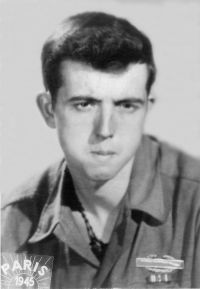 Michael Toohig’s Story
 Liberating Europe
 Hershell Foster
 Hank Willner, M.D.
 Laura Branker
 Jason Parsons
 Altonia Garrett
 Kieran Shah
 Mandy Brouillard
 Sherri Parker
 Sayaka Hanada
 Caitlin Geary
 Heidi Young
 Linda Biedrzycki
 Heidi Young, M.D.
 Jason Sobel, M.D.
 Anne Silao-Solomon, M.D.

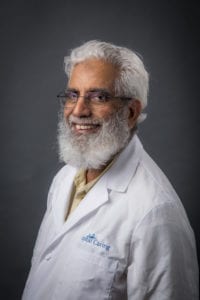 Mohammad Saleem, M.D.
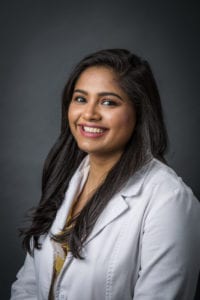 Maleeha Ruhi, M.D.
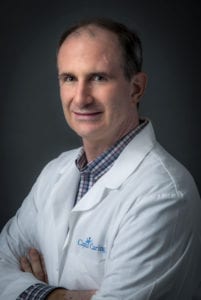 Christopher Pile, M.D.
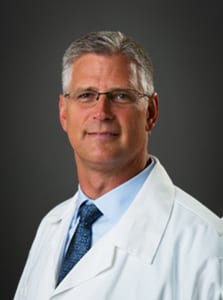 Cameron Muir, M.D.
 Fellowship
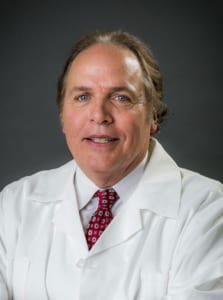 John McCue, D.O.
 Peyman Mamdouhi, D.O.
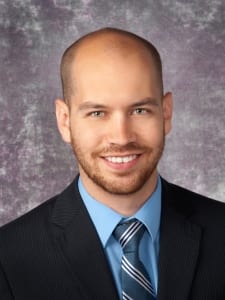 Adam Knudson, M.D.
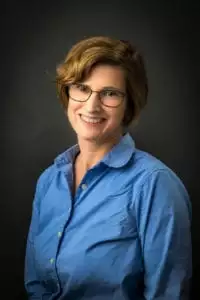 Amanda Keerbs, M.D.
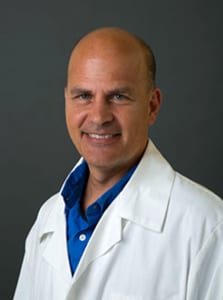 Matthew Irwin, M.D., M.S.W.
 Alan Goldblatt, M.D.
 Jennifer Gerhard, D.O.
 Ray Jay Garcia, M.D.
 Tamara Barnes, M.D.
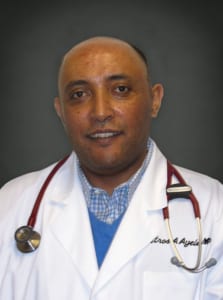 Petros
 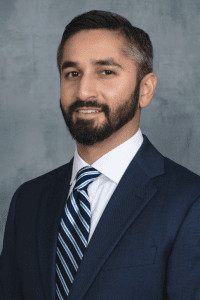 Shaz Anwar, D.O.
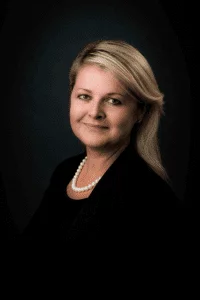 Lee-Anne West, M.D.
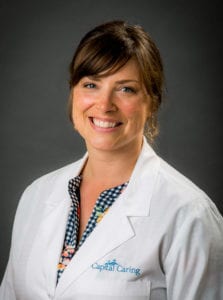 Melissa McClean, N.P.
 Michael Byas-Smith, M.D.
 Nancy Cook
 Kimberly Grove
 Steve Cone
 Eric De Jonge, M.D.
 David Schwind
 Vivian Hsia-Davis
 Cameron Muir, M.D.
 Keith Everett
 Susan Boris
 Carolyn Richar
 Matt Kestenbaum