
Grief over loss affects each of us in different ways. When it’s due to the death of a loved one, it may feel traumatic, disrupting our everyday life – from relationships to work and school.
When our response includes severe anxiety, that’s part of how post-traumatic stress disorder (PTSD) is defined. While most often associated with veterans, PTSD affects others, too.
With National PTSD Awareness Day observed on June 27, it’s a good time to learn more about Capital Caring resources and how we help people of all ages in our community cope with loss, trauma and death.
As a community-based non-profit, we offer support to more than the individuals and families who receive our hospice care. If you live in one of Capital Caring’s neighborhoods and need grief support, we’re here to help. You don’t need to be one of our hospice patients and our services are free of charge.
Serving our community is part of our mission. Our commitment and how we share our expertise are illustrated by the programs Capital Caring has developed especially for children and teens. We help individuals, groups and even entire schools.
How We Help the Kids in our Community
Children experience the death of a close loved one in different ways than adults. It’s an emotional journey and feelings of loss and grief may be hard to communicate and share. Depression and anxiety, withdrawal, social difficulties, and a decline in academic performance are all common reactions. Young people may also have problems adjusting to school after a loss.
The sheer number of children affected by death underscores why help is needed:
- Most children will experience the death of a family member or friend by the time they complete high school
- 5% will lose a parent by the time they are 16
- Nearly 40% will experience the death of a peer
- 20% will witness a death
In the areas we serve, as many as 4,000 children will need significant grief support. For local school personnel, this means they are highly likely to encounter a grieving student almost every day.
Unfortunately, despite a well-documented need, there are few programs in our community offering bereavement support groups and active, creative outlets to help children and teens deal with their grief. The cost of individual and family counseling – even with insurance coverage – makes it an unaffordable option for many.
That’s why we’ve established a school-based-program – Caring Circles. The six-week grief support group is designed to help children process their grief. When trauma is part of their experience, we make a referral to outside counselors.
The school setting is effective – it’s familiar, children spend most of their time in school, and problems due to loss can be identified and helped by school counselors. A school-based program also allows a large number of students to receive supportive services and be monitored over time.
In our program, students struggling with the death of a close loved one learn to share their emotions. Music, art, storytelling and movement, encourage children in a positive, active environment. Here, they learn to process their grief along with peers who have also experienced loss, in the familiarity of their own school.
Caring Circles is led by our counselors working alongside school counselors, at no cost to families or the schools.
Our support for children and families doesn’t, however, end with our six-week program: we offer other grief support programs and in some cases, our bereavement counselor may meet with the student and family to provide additional needed support.
Educational information is also sent home to parents including how to identify symptoms of grief and tips on how parents can help their children through the process.
Direct to School Assistance
Capital Caring directly supports school administrators, teachers and crisis team members, too. We offer guidelines on how to respond to both student and staff needs when a personal loss affects one person, a few, or an entire school.
Our assistance to schools includes:
- Basic information on children’s bereavement
- How to talk to a child and family dealing with loss
- How a school can play a role in healing
- The protocol suggested for letters to a school community dealing with a death
We know we make a difference: many school counselors call, telling us they feel ill-equipped to handle the issues that arise from loss experienced by their students.
In 2018 alone, we served 220 children in 14 schools.
Capital Caring also offers Point of Hope Camp for kids who have experienced loss. Held annually in several of our Capital Caring neighborhoods, this half-day camp engages kids and their peers in fun activities. With expert staff — social workers, counselors and chaplains — they work through the grief process by building trust, self-esteem and skills to cope with their recent loss.
A Variety of Support to Help with Loss
We know well from our decades of experience that everyone grieves in their own unique way, so we’ve developed a variety of support programs to help those dealing with loss. All services are available to our community members at no charge.
Capital Caring resources, individual and family counseling, support groups and local workshops are designed for all ages and interests. There are group walks in nature, music and dance sessions, scrapbooking to preserve memories, a return-to-work workshop and a book group for widows.
Our hope is that among all the services and programs we’ve developed, there’s something that will help you and your loved ones on your emotional journey as you move from grief to positive memories.
To learn more about specific support groups and workshops, click here.
 Dr. Cheryl-Lynne McCalla, DO
 Kathleen Ramkaran, RN, CCM
 Hali Gantumur
 Yasmin
  Jennifer Olsen GNP-BC
 Meena Raj, MD,
 Kimberly Grove
 Pat Bishop
 Elizabeth Ariemma
 Ray Jay Garcia, M.D.
 Heidi Young
 Matt Kestenbaum
 Anne Silao-Solomon, M.D.
 Matthew Irwin, M.D., M.S.W.
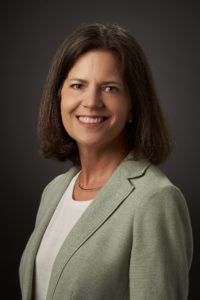 Catherine McGrady, RN, MSN, is Vice President, Clinical Programs at Capital Caring Health. In this role she is responsible for the development, implementation, and monitoring of clinical programs in support of high-quality patient-centered care delivery across the continuum of services. Catherine also manages external partnerships including Capital Caring Health’s participation in ACOs and other value-based clinical programs
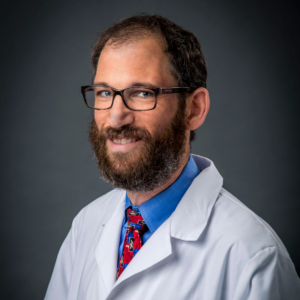 Jason Sobel, MD
 Kremena Bikov
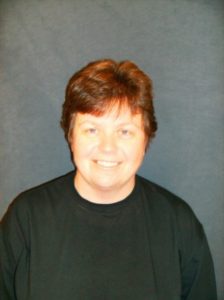 Stacy Brown
 Jackie Gouline
 Susan Roberts
 Brenan Nierman
 Annette Lindsay
 Shannon Collier
 Carla Thompson
 Gabby True
 Evan Kirschner
 Margaret Doherty
 Henry Fuller
 Jennifer Godwin
 Sally Hughes
 LaWanda Middleton
 Hope Collazo
 Odessa Simpson
 Anne Young
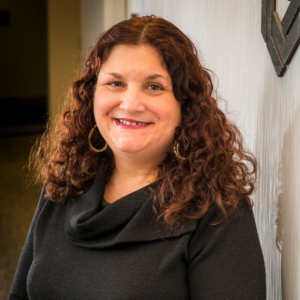 Sherri Parker
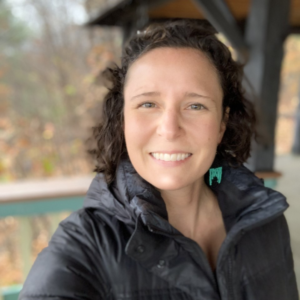 Catherine Kravolec
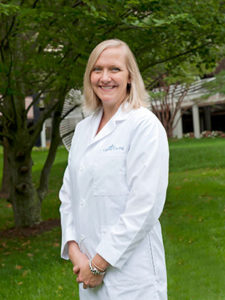 Heidi Young, M.D.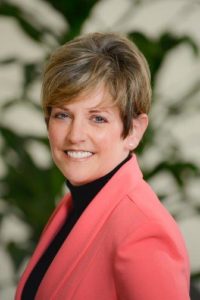
 Hank Willner, M.D.
 Audrey Easaw
 Julia Feldman
 Gus has been a part of the Capital Caring Health family for nearly fifteen years. Ten of those years have been in leadership, working with colleagues and co-workers to achieve the best in their ability while promoting CCH core values. Gus has a background in nursing and a lifelong passion for technology. In each position at CCH, Gus has found ways to integrate technology to enhance outcomes and job satisfaction.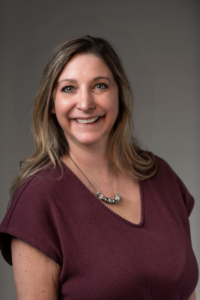
 Linda Biedrzycki
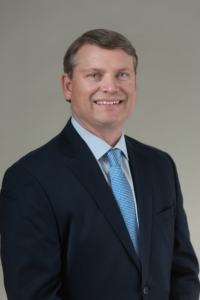 Joe Murray
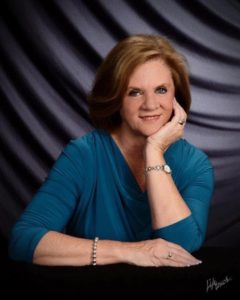 Lin Maurano
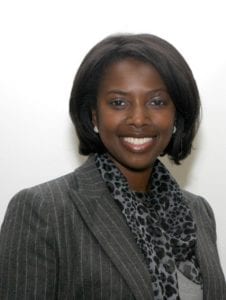 Laura Branker
 Cameron Muir, M.D.
 Cameron Muir, M.D.
 Fellowship
 Lee-Anne West, M.D.
 Steve Cone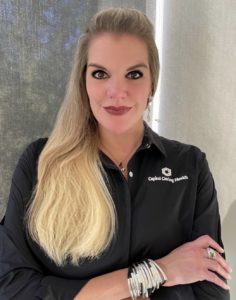
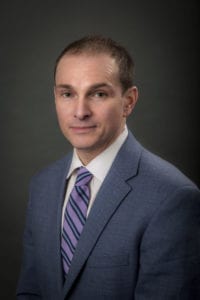
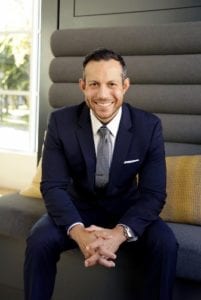 Kieran Shah
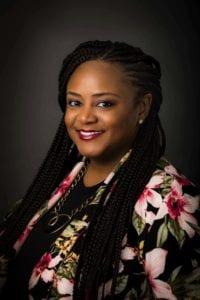 Altonia Garrett
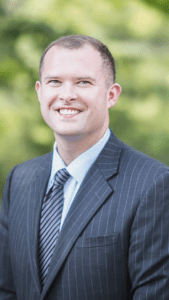 Jason Parsons
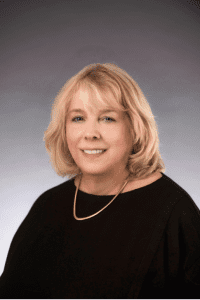 Nancy Cook
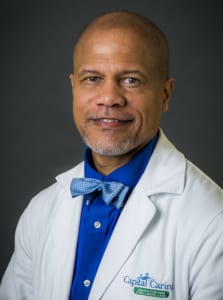 Michael Byas-Smith, M.D.
 Olubukola Bolaji, M.D.
 Jennifer Gerhard, D.O.
 Hershell Foster
 Michael Toohig’s Story
 Liberating Europe
 Marrygold Ugorji’s Story
 Sherri Parker, Team Leader Medical Social Worker
 Colleen Carberry, RN Case Manager
 Paulette Davidson, Chaplain
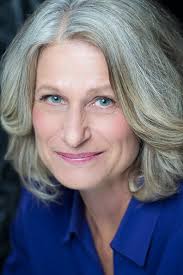 Donna Smith
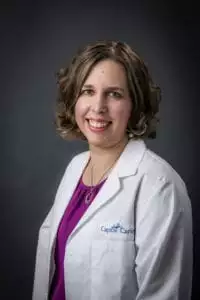 Tabitha Gingerich, NP
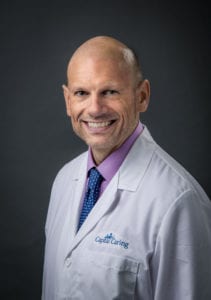 Dwayne Barton, NP
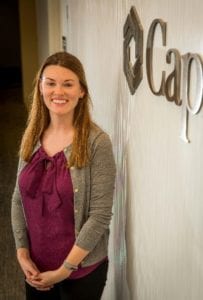 Caitlin Geary
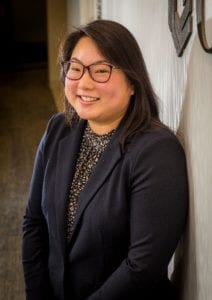 Sayaka Hanada
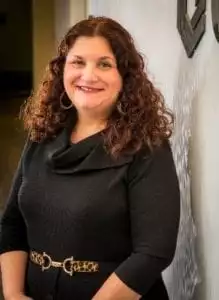 Sherri Parker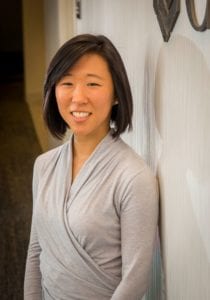
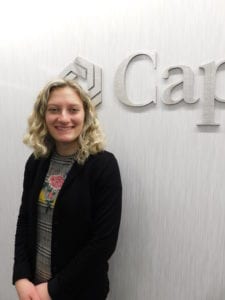 Mandy Brouillard
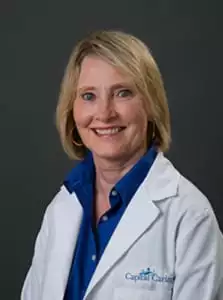 Tamara Barnes, M.D.
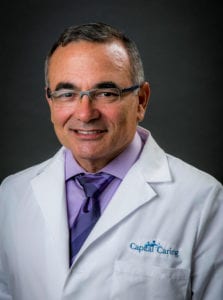 Alan Goldblatt, M.D.
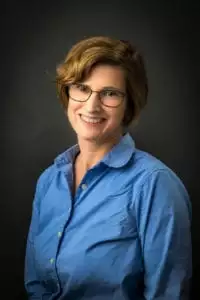 Amanda Keerbs, M.D.
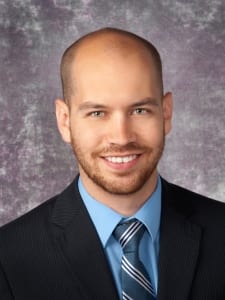 Adam Knudson, M.D.
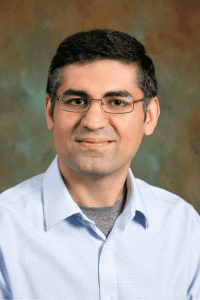 Peyman Mamdouhi, D.O.
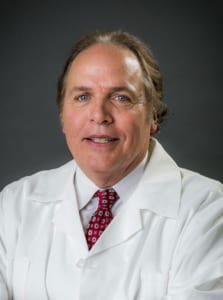 John McCue, D.O.
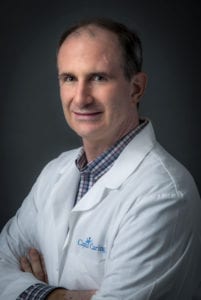 Christopher Pile, M.D.
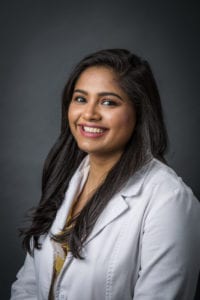 Maleeha Ruhi, M.D.
 Mohammad Saleem, M.D.
 Jason Sobel, M.D.
 Carolyn Richar
 Susan Boris
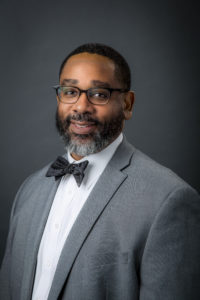 Keith Everett
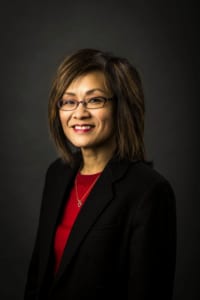 Vivian Hsia-Davis
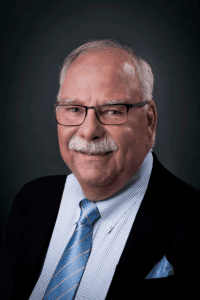 David Schwind
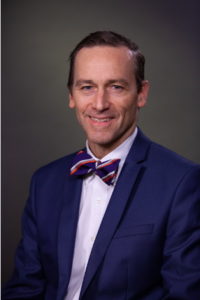 Eric De Jonge, M.D.
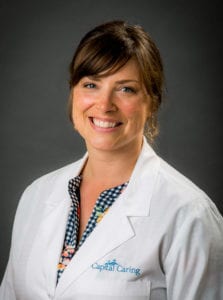 Melissa McClean, N.P.
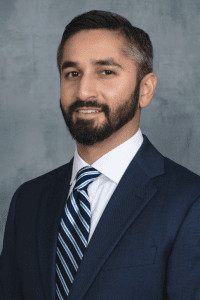 Shaz Anwar, D.O.
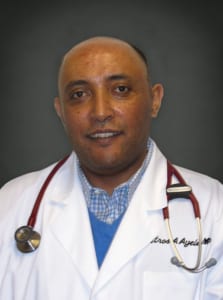 Petros
 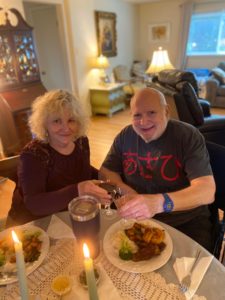 Neil Parker’s Story
 Sulaiman Bangura’s Story
 Steven Skobel’s Story