
Help Improve Care, Participate in Clinical Research!
What are clinical research studies?
Clinical research studies (also known as clinical trials) involve people like you who volunteer to help answer specific health questions. Carefully designed studies are the fastest and safest way to learn if a potential new use, treatment, medication, or medical device is safe and effective in treating or diagnosing a particular symptom, disease, or condition. Additionally, clinical research studies may focus on other aspects of care, such as improving quality of life for people with life-threatening diseases and their families.
Capital Caring focuses on clinical research studies that have the potential to improve care for patients and their families in hospice and palliative care. People who volunteer and meet guidelines for clinical trials are partners in the research and can contribute to knowledge that could benefit others like themselves in the future.
Why do people like you participate in clinical studies?
Clinical study volunteers partner with clinical researchers to improve care. Advancement of treatments, diagnoses, and healthcare would be unattainable without the generosity of volunteers for clinical studies. People may volunteer to participate in clinical studies for a variety of reasons.
Some people choose to participate to leave a lasting gift to future patients by contributing to knowledge that could improve care. Others may participate to treatments and additional care they might otherwise not have access to. It is important for clinical studies to include volunteers of all ages, sexes, and races/ethnicities to ensure findings are applicable to all groups of people. For instance, older people may react differently to a drug than younger people.
Who can participate in clinical studies?
Capital Caring, our participants normally include current or prospective hospice and palliative care patients and their families and friends. Anyone may volunteer to participate in a clinical study and must sign an informed consent form prior to enrollment. Each clinical research study is designed to gather information about a specific topic and includes guidelines about who can participate, called “inclusion and exclusion criteria.”
If you are interested in a particular study, you may be asked questions about these guidelines to help determine your eligibility. Some studies have an additional screening period that occurs after you agree to participate. These screening periods consider more specific guidelines and may result in exclusion from a study. It is important to know that inclusion or exclusion is not personal, but rather to help safeguard participants and ensure that Capital Caring collects the most useful data during the study.
Are clinical studies safe?
Ethics committees, the FDA, and other regulatory agencies put in place and enforce strict rules that researchers must follow to protect the rights and safety of clinical study volunteers. All volunteers must read and sign an informed consent form to participate. This form gives information about what you can expect. Participants are encouraged to ask questions and may withdraw this consent at any time. Just like standard medical care activities daily living, participation in a clinical study may include some risks and benefits. For instance, volunteers may gain access to new treatments and care but could experience side effects.
Risks and benefits vary across studies and a clinical research coordinator and the informed consent form can tell you about risks and benefits associated with a specific study. If you are thinking about participating in a clinical research study, it is important for you and your family to feel comfortable by asking questions about possible risks and benefits. You may visit this website for a list of possible questions: The CISCRP Medical Heroes list of questions to ask before participation.
What can you expect if you volunteer for a clinical study?
If you are eligible and agree to participate in a study, you will work closely with the clinical research team. The researchers will work closely with your care team to ensure your health and comfort. The research team will give you specific instructions, work with you through specific visits and procedures, and monitor your heath throughout the study. You may be asked questions about your health and experience, or have particular tests done.
Some clinical studies randomly place participants in to different treatment groups. These groups usually entail different amounts of a new medication and may include a control or placebo group. The control or placebo group will take a standard treatment or no treatment at all. Often, neither the volunteer nor the research team knows which group a participant is assigned to. Control groups are important to ensure a new treatment is as safe as or works better than standard treatment or placebo.
How can you learn about clinical studies available at Capital Caring?
Capital caring conducts a variety of clinical research studies that focus mostly on management or diagnosis of certain symptoms associated with life limiting illness such as pain, constipation, and shortness of breath. There may also be studies available for friends and family of hospice and palliative care patients.
- To learn more about Capital Caring clinical research studies, please contact us at 703-712-4875 or mfrazier@capitalcaring.org
- For more general information about clinical studies:
- National Institutes of Health (NIH) Clinical Research Trials and You
- NIH Glossary of Common Terms
- NIH Clinical Trials and Older People Tip Sheet
- National Cancer Institute Learn About Clinical Trials
- Center for Information and Study on Clinical Research Participation Medical Heroes
- Your Guide to Understanding the Need for Clinical Research and Participation

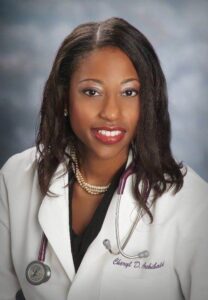 Dr. Cheryl-Lynne McCalla, DO
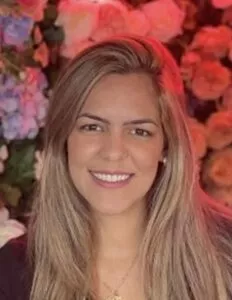 Kathleen Ramkaran, RN, CCM
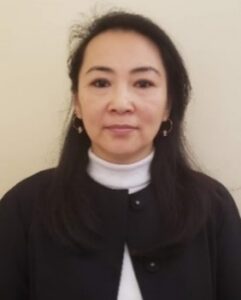 Hali Gantumur
 Yasmin
 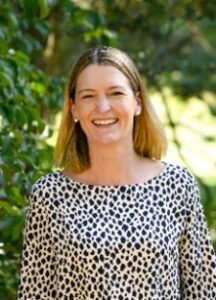 Jennifer Olsen GNP-BC
 Meena Raj, MD,
 Kimberly Grove
 Pat Bishop
 Elizabeth Ariemma
 Ray Jay Garcia, M.D.
 Heidi Young
 Matt Kestenbaum
 Anne Silao-Solomon, M.D.
 Matthew Irwin, M.D., M.S.W.
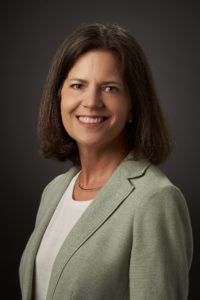 Catherine McGrady, RN, MSN, is Vice President, Clinical Programs at Capital Caring Health. In this role she is responsible for the development, implementation, and monitoring of clinical programs in support of high-quality patient-centered care delivery across the continuum of services. Catherine also manages external partnerships including Capital Caring Health’s participation in ACOs and other value-based clinical programs
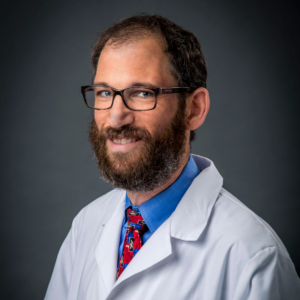 Jason Sobel, MD
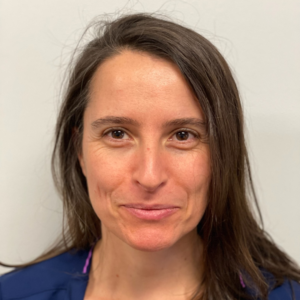 Kremena Bikov
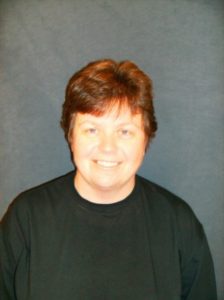 Stacy Brown
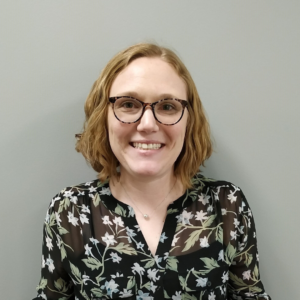 Jackie Gouline
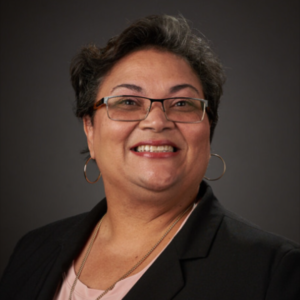 Susan Roberts
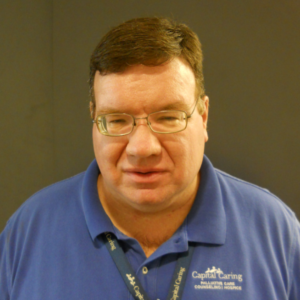 Brenan Nierman
 Annette Lindsay
 Shannon Collier
 Carla Thompson
 Gabby True
 Evan Kirschner
 Margaret Doherty
 Henry Fuller
 Jennifer Godwin
 Sally Hughes
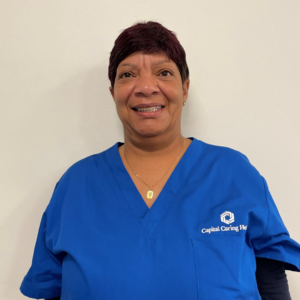 LaWanda Middleton
 Hope Collazo
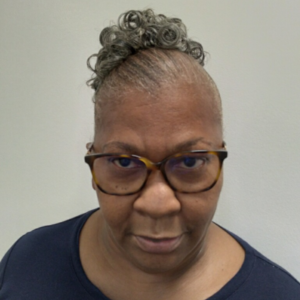 Odessa Simpson
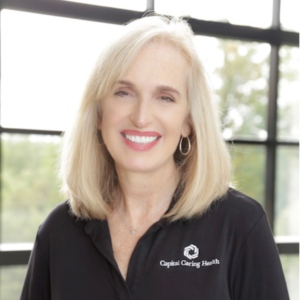 Anne Young
 Sherri Parker
 Catherine Kravolec
 Heidi Young, M.D.
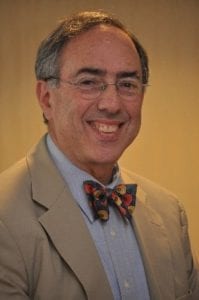 Hank Willner, M.D.
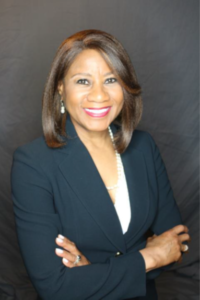 Audrey Easaw
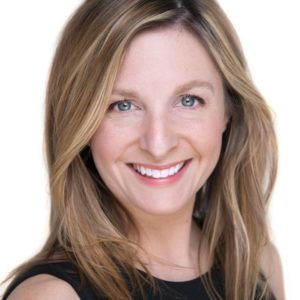 Julia Feldman
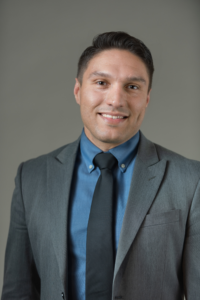 Gus has been a part of the Capital Caring Health family for nearly fifteen years. Ten of those years have been in leadership, working with colleagues and co-workers to achieve the best in their ability while promoting CCH core values. Gus has a background in nursing and a lifelong passion for technology. In each position at CCH, Gus has found ways to integrate technology to enhance outcomes and job satisfaction.
 Linda Biedrzycki
 Joe Murray
 Lin Maurano
 Laura Branker
 Cameron Muir, M.D.
 Cameron Muir, M.D.
 Fellowship
 Lee-Anne West, M.D.
 Steve Cone
 Kieran Shah
 Altonia Garrett
 Jason Parsons
 Nancy Cook
 Michael Byas-Smith, M.D.
 Olubukola Bolaji, M.D.
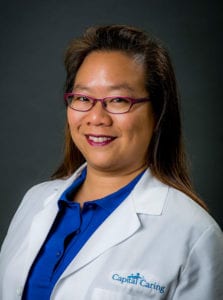 Jennifer Gerhard, D.O.
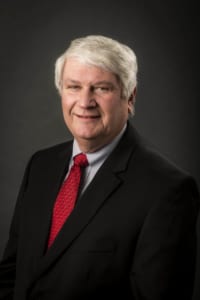 Hershell Foster
 Michael Toohig’s Story
 Liberating Europe
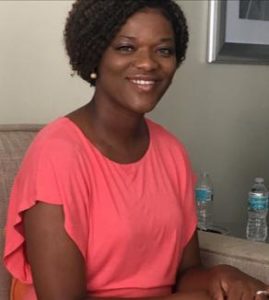 Marrygold Ugorji’s Story
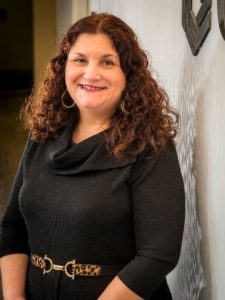 Sherri Parker, Team Leader Medical Social Worker
 Colleen Carberry, RN Case Manager
 Paulette Davidson, Chaplain
 Donna Smith
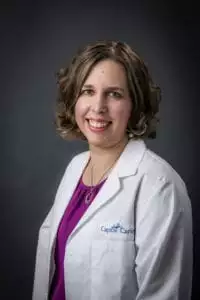 Tabitha Gingerich, NP
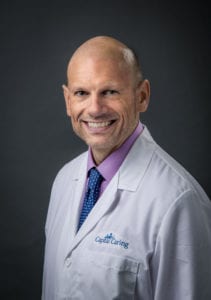 Dwayne Barton, NP
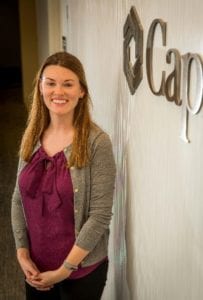 Caitlin Geary
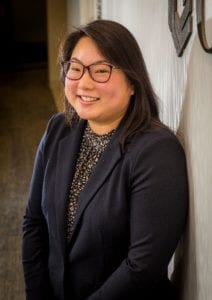 Sayaka Hanada
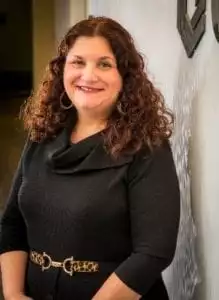 Sherri Parker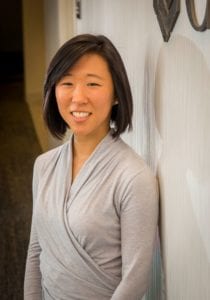
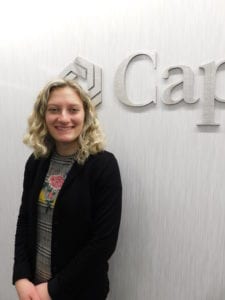 Mandy Brouillard
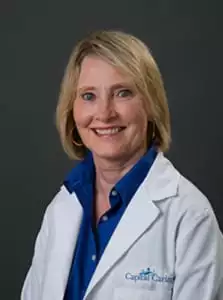 Tamara Barnes, M.D.
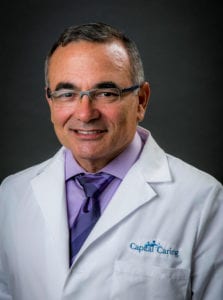 Alan Goldblatt, M.D.
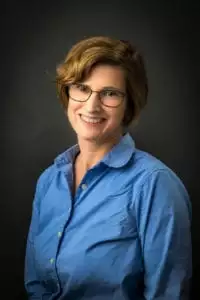 Amanda Keerbs, M.D.
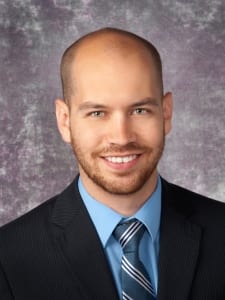 Adam Knudson, M.D.
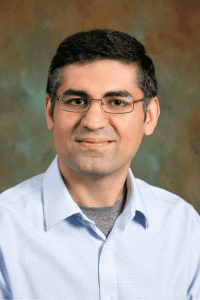 Peyman Mamdouhi, D.O.
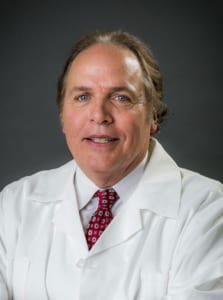 John McCue, D.O.
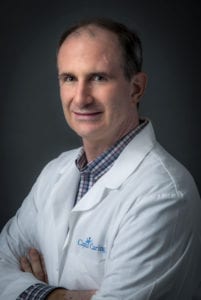 Christopher Pile, M.D.
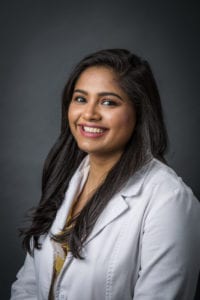 Maleeha Ruhi, M.D.
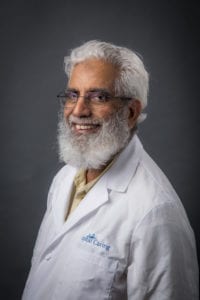 Mohammad Saleem, M.D.
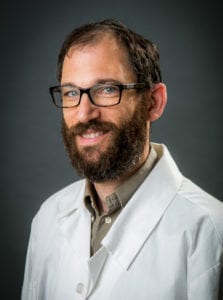 Jason Sobel, M.D.
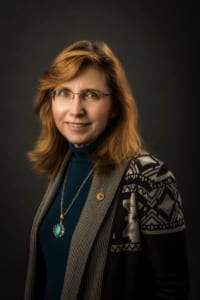 Carolyn Richar
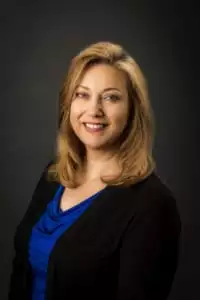 Susan Boris
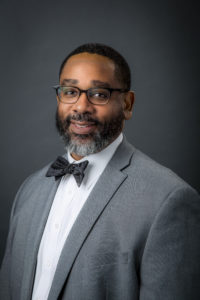 Keith Everett
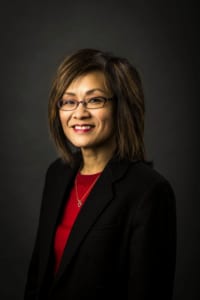 Vivian Hsia-Davis
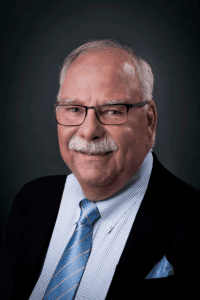 David Schwind
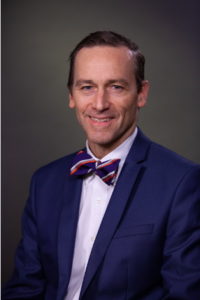 Eric De Jonge, M.D.
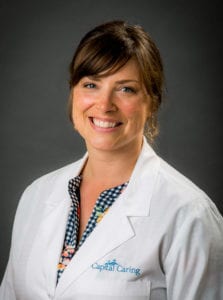 Melissa McClean, N.P.
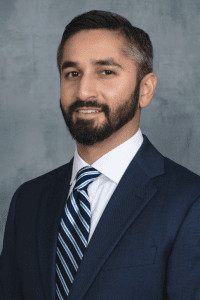 Shaz Anwar, D.O.
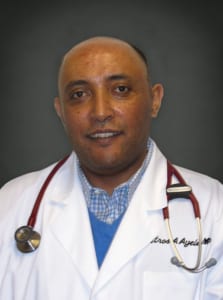 Petros
  Neil Parker’s Story
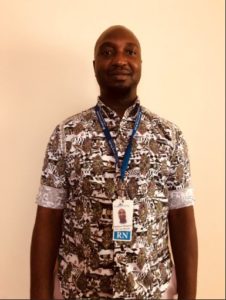 Sulaiman Bangura’s Story
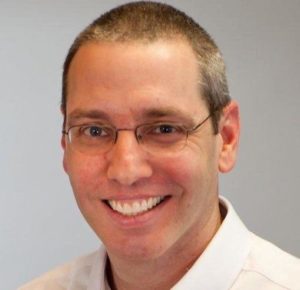 Steven Skobel’s Story