
Like the month’s namesake—Janus, the old Roman god of beginnings and endings—January is marked by both hopeful, forward-looking celebrations and more solemn reminders of the past.
January 7, 2023, is Christmas Day for Orthodox Christians in Central Europe, the Middle East, and parts of Africa. That’s because Eastern Orthodox churches follow the older Julian calendar, putting the birth of Jesus 13 days later than the Gregorian calendar used by Christian denominations in the West.
Considered a special time for reflection and prayer, Orthodox Christmas is often observed for up to three days with religious services, as well as gifts and seasonal decorations. Many Orthodox Christians choose not to eat meat during the holiday season; others may fast on Christmas Eve morning. Some nationalities serve a traditional, mostly vegetarian meal known as the “Holy Night Supper,” consisting of 12 courses to represent the 12 Apostles. Though foods vary by country, popular dishes include herring, borscht, sauerkraut, and perogies. Families also often set extra places at the table for the spirits of relatives who have passed.
Countries celebrating Orthodox Christmas include the Ukraine, Romania, Belarus, Ethiopia, Georgia, Kazakhstan, Macedonia, Moldova, Montenegro, and Serbia. Members of the Coptic church—the largest Christian population in Egypt and other Middle Eastern countries—follow the Orthodox tradition, as do those from the Sudan and Libya. To learn more about the holiday, click here.
On January 16, the nation honors the birthday of civil rights icon Dr. Martin Luther King, Jr. In 1955, shortly after being elected to head the Southern Leadership Conference Council, Dr. King led efforts to desegregate public transportation in Alabama during the Montgomery Bus Boycott. That marked the beginnings of a national movement of nonviolent civil disobedience—guided by Dr. King’s faith and the teachings of Gandhi—and of his emergence as a civil rights leader whose advocacy on black voting rights, poverty, the Vietnam War, and other issues influenced public opinion.
In perhaps the most defining moment of his career, Dr. King delivered his immortal “I Have a Dream” speech from the steps of the Lincoln Memorial on August 28,1963. He was there to address the tens of thousands who attended “The March on Washington for Jobs and Freedom.” At the event, the country’s most prominent civil rights leaders pressed the federal government to take direct action for racial equality. It did, eventually passing civil rights legislation that made a difference on voting, discrimination, and more. Based upon his contributions, Dr. King was awarded the Nobel Peace Prize in 1964.
On April 4th, 1968, Dr. King paid the ultimate price for his activism when he was assassinated in Memphis, Tennessee at the age of 34. Posthumously, Dr. King was awarded the Presidential Medal of Freedom and the Congressional Gold Medal. In January 1986 after years of advocating for it by Representative John Conyers, the Southern Christian Leadership Conference, Dr. King’s widow, Coretta Scott King, and the Atlanta-based King Center, Congress established Martin Luther King Day. The federal holiday acknowledges his contributions to civil rights and equality in the United States. You can listen to or read his most famous speech—I Have a Dream—in its entirety here.
Lunar New Year begins January 22. One of the most important and widely celebrated holidays throughout Asia is Lunar New Year. This is often one of the most significant holidays for Asian Americans as well. This year is unique as it is one of the few years where the Vietnamese Zodiac differs from the Chinese Zodiac, making it the Year of Rabbit in the many countries, but the Year of the Cat in Vietnam.
Lunar New Year marks the first full moon of the lunar calendar and generally takes place between January 21 and February 20. While Lunar New Year is celebrated differently in each country, many of the traditions share a common thread that includes special foods, wishes for prosperity, time spent with family, and a chance to honor relatives who have passed. Firecrackers, lanterns, banners with good wishes, and the color red are also often a part of the festivities. In many cultures, the exchange of envelopes filled with money symbolizes best wishes and good luck for the new year. It is also common to clean one’s home to be rid of any lingering bad luck and get a fresh haircut or new clothes in preparation for the holiday. There are many Lunar New Year events happening throughout the Greater Washington region including a parade featuring lion and dragon dancers in downtown DC on January 22. To learn more about these activities and how you can participate, click here.
International Holocaust Remembrance Day, January 27, memorializes the millions who suffered and died during World War II. The international observance was established by the United Nations (U.N.) in 2005 to honor the six million Jewish victims of the Holocaust and the millions of others who were persecuted during Hitler’s brutal regime. It also offers an opportunity for Holocaust education, especially important today to counter rising and persistent antisemitism, Holocaust distortion, and denial.
To honor those who have died and to fight against growing antisemitism, the UN and UNESCO have recently offered digital commemoration ceremonies attracting people from around the world. To learn more, watch their 2021 panel discussion on Holocaust denial and distortions on YouTube here, listen to stories from holocaust survivors on NPR, or learn about the U.S. and the Holocaust from an exhibit at the U.S. Holocaust Memorial Museum in Washington, D.C.
 Kathleen Ramkaran, RN, CCM
 Hali Gantumur
 Yasmin
  Jennifer Olsen GNP-BC
 Dr. Cheryl-Lynne McCalla, DO
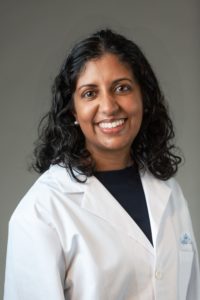 Meena Raj, MD,
 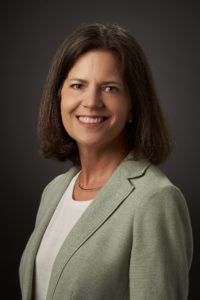 Catherine McGrady, RN, MSN, is Vice President, Clinical Programs at Capital Caring Health. In this role she is responsible for the development, implementation, and monitoring of clinical programs in support of high-quality patient-centered care delivery across the continuum of services. Catherine also manages external partnerships including Capital Caring Health’s participation in ACOs and other value-based clinical programs
 Catherine Kravolec
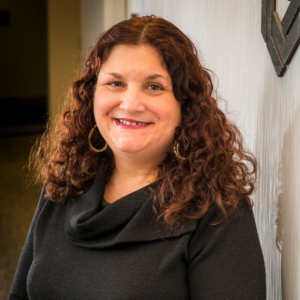 Sherri Parker
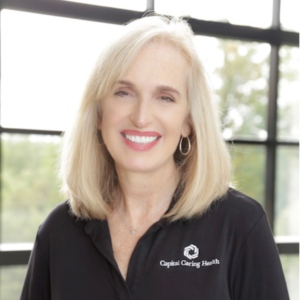 Anne Young
 Odessa Simpson
 Hope Collazo
 LaWanda Middleton
 Sally Hughes
 Jennifer Godwin
 Henry Fuller
 Margaret Doherty
 Evan Kirschner
 Gabby True
 Carla Thompson
 Shannon Collier
 Annette Lindsay
 Jason Sobel, MD
 Brenan Nierman
 Susan Roberts
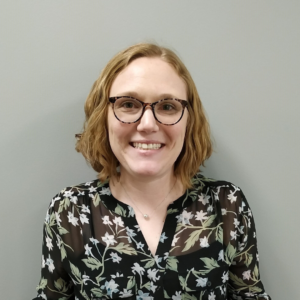 Jackie Gouline
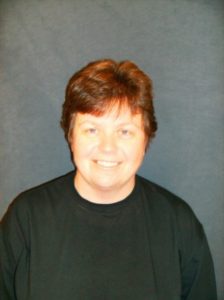 Stacy Brown
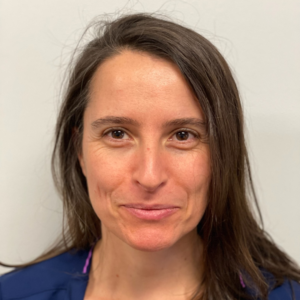 Kremena Bikov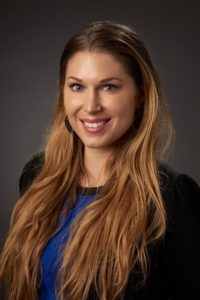
 Audrey Easaw
 Julia Feldman
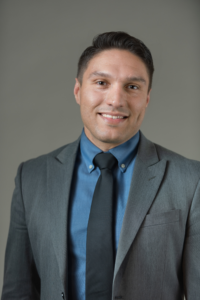 Gus has been a part of the Capital Caring Health family for nearly fifteen years. Ten of those years have been in leadership, working with colleagues and co-workers to achieve the best in their ability while promoting CCH core values. Gus has a background in nursing and a lifelong passion for technology. In each position at CCH, Gus has found ways to integrate technology to enhance outcomes and job satisfaction.
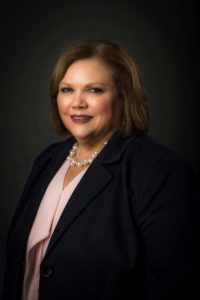 Pat Bishop
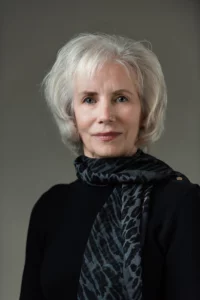 Elizabeth Ariemma
 Joe Murray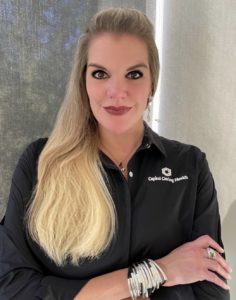
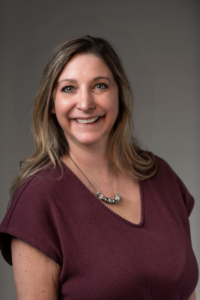
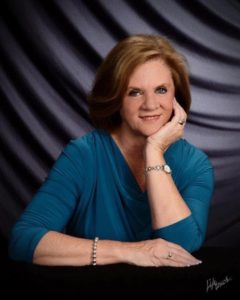 Lin Maurano
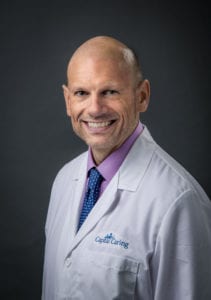 Dwayne Barton, NP
 Jacob Phillips, MD
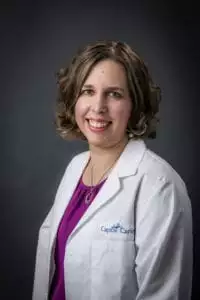 Tabitha Gingerich, NP
 Donna Smith
 Paulette Davidson, Chaplain
 Colleen Carberry, RN Case Manager
 Sherri Parker, Team Leader Medical Social Worker
 Steven Skobel’s Story
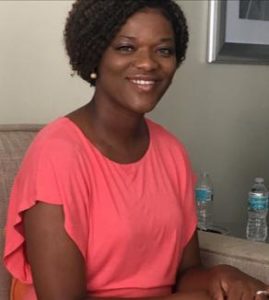 Marrygold Ugorji’s Story
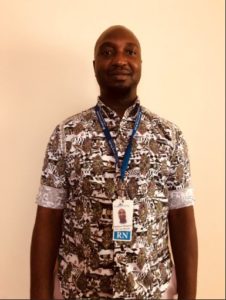 Sulaiman Bangura’s Story
 Neil Parker’s Story
 Michael Toohig’s Story
 Liberating Europe
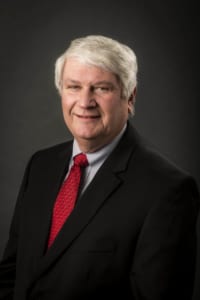 Hershell Foster
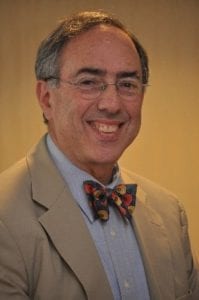 Hank Willner, M.D.
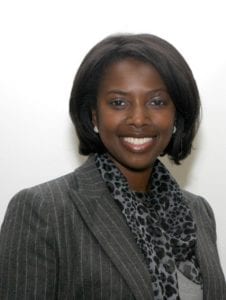 Laura Branker
 Jason Parsons
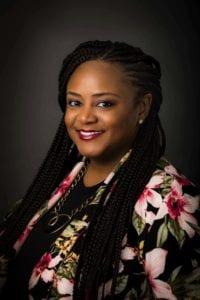 Altonia Garrett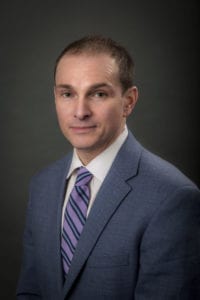
 Kieran Shah
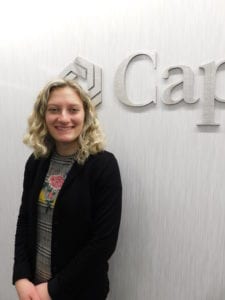 Mandy Brouillard
 Sherri Parker
 Sayaka Hanada
 Caitlin Geary
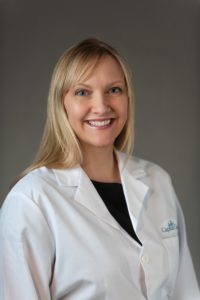 Heidi Young
 Linda Biedrzycki
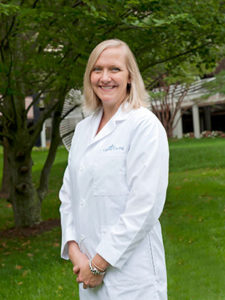 Heidi Young, M.D.
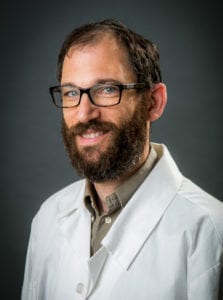 Jason Sobel, M.D.
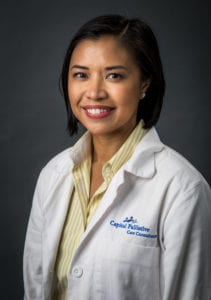 Anne Silao-Solomon, M.D.

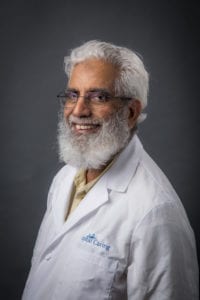 Mohammad Saleem, M.D.
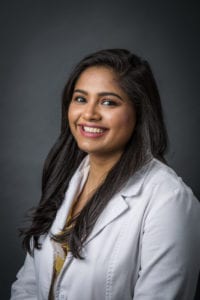 Maleeha Ruhi, M.D.
 Christopher Pile, M.D.
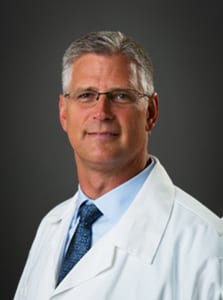 Cameron Muir, M.D.
 Fellowship
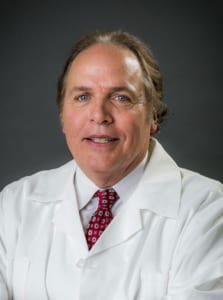 John McCue, D.O.
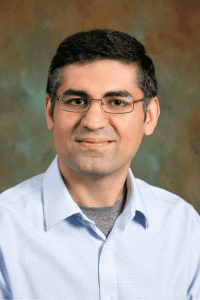 Peyman Mamdouhi, D.O.
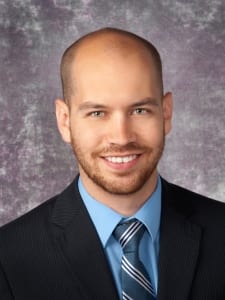 Adam Knudson, M.D.
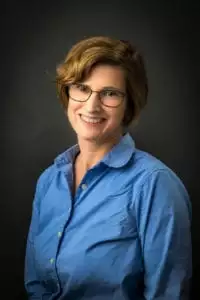 Amanda Keerbs, M.D.
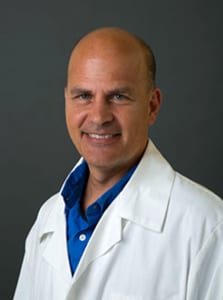 Matthew Irwin, M.D., M.S.W.
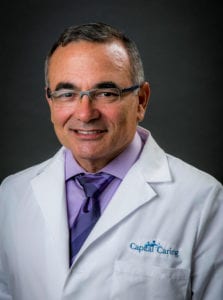 Alan Goldblatt, M.D.
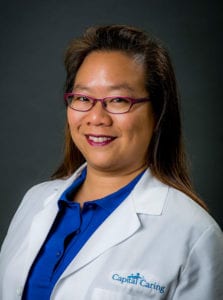 Jennifer Gerhard, D.O.
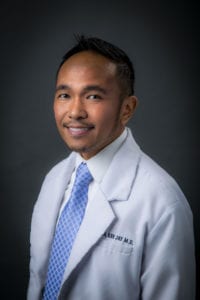 Ray Jay Garcia, M.D.
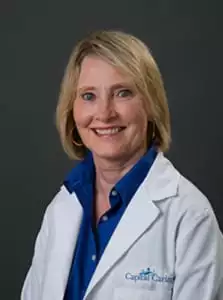 Tamara Barnes, M.D.
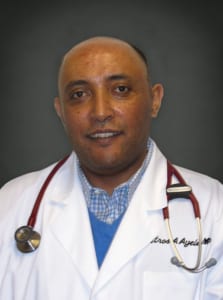 Petros
 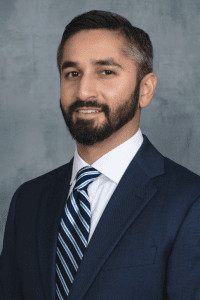 Shaz Anwar, D.O.
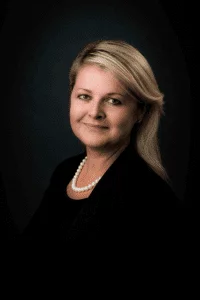 Lee-Anne West, M.D.
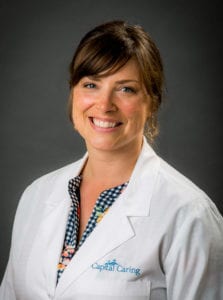 Melissa McClean, N.P.
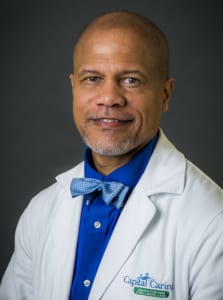 Michael Byas-Smith, M.D.
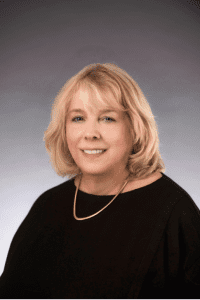 Nancy Cook
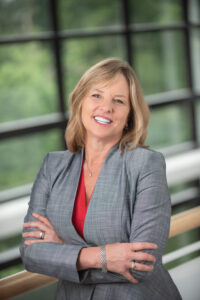 Kimberly Grove
 Steve Cone
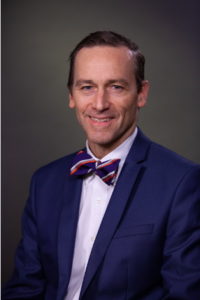 Eric De Jonge, M.D.
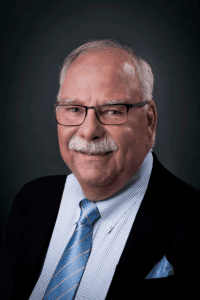 David Schwind
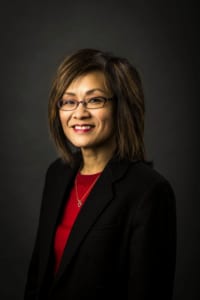 Vivian Hsia-Davis
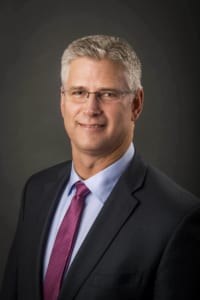 Cameron Muir, M.D.
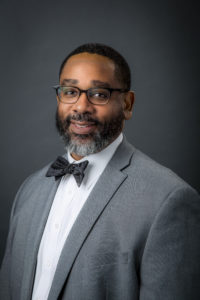 Keith Everett
 Susan Boris
 Carolyn Richar
 Matt Kestenbaum