In addition to “Dog Days,” “National Ice Cream Sandwich Week,” and other light-hearted designations, August features more serious observances, including reminders, a recognition, and a religious celebration.
The first week of August is National Minority Donor Awareness Week, designed to bring attention to the urgent need for organ donation from people of color. Started in 1996, it is also an opportunity to thank minority donors and their families for their selfless contributions to help others. Today, Black, Hispanic, American Asian and Pacific Islanders, and Native Americans make up more than half (57%) of people on transplant waiting lists in America, yet only 30% of all available organs come from minorities. That discrepancy can mean the difference between life and death: Transplants are significantly more successful if donor and recipient share the same ethnic background. Given the toll of chronic conditions in the multicultural population, the greatest need is for kidneys, hearts, pancreas, and livers. Learn more and read patient stories here; you can also register here to become an organ, eye, or tissue donor.
The International Day of Indigenous People, established by the United Nations in 1994, is celebrated on August 9. The observation aims to raise awareness of indigenous populations around the world and the necessity of protecting their often-at-risk human rights. Examples of such people include the Lakota in the U.S., Aborigines in Australia, and the Inuit and Aleutians in the Arctic region. The day also recognizes the resilience and contributions of indigenous people as keepers of traditional knowledge and language, and as stewards of the natural environment. This year’s theme, “The Role of Indigenous Women in the Preservation and Transmission of Traditional Knowledge,” focuses on women who serve as “breadwinners, caretakers, knowledge keepers, leaders, and human rights defenders.” Despite their important roles in their communities, indigenous women often suffer from discrimination on the basis of gender, class, ethnicity and socioeconomic status. For examples of activities, you can do to celebrate the day, click here.
Women’s Equality Day is celebrated in the United States every August 26 to mark the date women gained the right to vote. Established by Congress in 1973,the observance recognizes the certification of the 19th Amendment in 1920. The document was signed privately in the home of the Secretary of State early in the morning, prompting the New York Times to note “the lack of fanfare for the historic event.” The journey leading to the amendment’s passage began in 1848, following the world’s first women’s rights convention in New York—and the start of a more than 70-year-long civil rights movement. However, the achievement was not enjoyed by all: Poll taxes, local laws, and other restrictions blocked many women of color from voting. It would take another 45 years and the passage of the Voting Rights Act of 1965 to correct that wrong. To learn more about the history of the women’s suffrage movement and passage of the 19th Amendment, click here.
The birth of the god Lord Ganesh is celebrated by Hindus across the world on August 31. Considered an important festival, this “grand” celebration lasts ten days. Due to its significance, preparation for this festival begins a month in advance in India. Participants decorate streets, and artists build giant statues of the elephant-headed god. Ganesh is considered the god of “new beginnings and a fresh start.” Ganesh is also the most important god to worship at Hindu festivals. This festival ends with submerging the idols of Ganesh in any body of water to say good-bye—so thousands gather on beaches for this ritual. To learn more fascinating details of this festival and about Ganesh, click here.
 Kathleen Ramkaran, RN, CCM
 Hali Gantumur
 Yasmin
  Jennifer Olsen GNP-BC
 Dr. Cheryl-Lynne McCalla, DO
 Meena Raj, MD,
  Catherine McGrady, RN, MSN, is Vice President, Clinical Programs at Capital Caring Health. In this role she is responsible for the development, implementation, and monitoring of clinical programs in support of high-quality patient-centered care delivery across the continuum of services. Catherine also manages external partnerships including Capital Caring Health’s participation in ACOs and other value-based clinical programs
 Catherine Kravolec
 Sherri Parker
 Anne Young
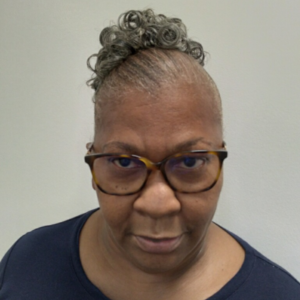 Odessa Simpson
 Hope Collazo
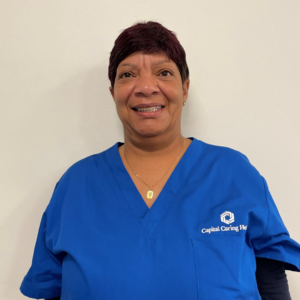 LaWanda Middleton
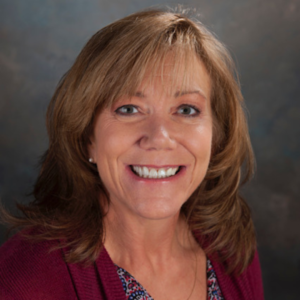 Sally Hughes
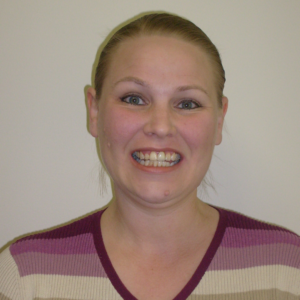 Jennifer Godwin
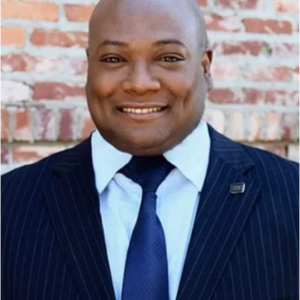 Henry Fuller
 Margaret Doherty
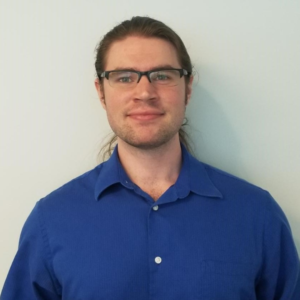 Evan Kirschner
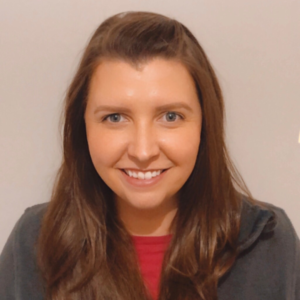 Gabby True
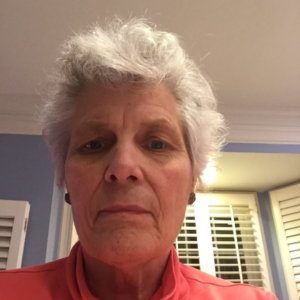 Carla Thompson
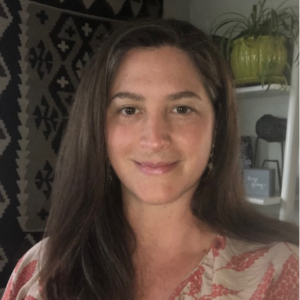 Shannon Collier
 Annette Lindsay
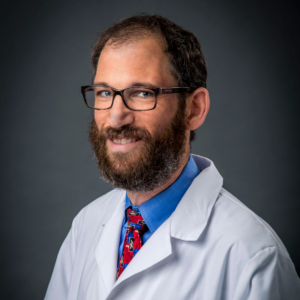 Jason Sobel, MD
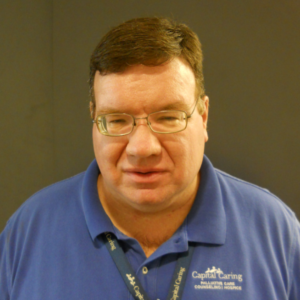 Brenan Nierman
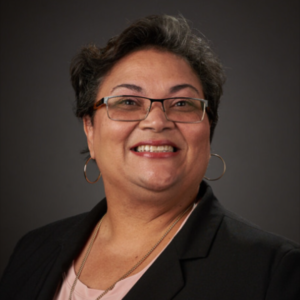 Susan Roberts
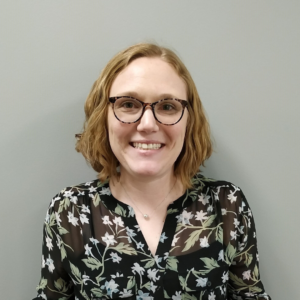 Jackie Gouline
 Stacy Brown
 Kremena Bikov
 Audrey Easaw
 Julia Feldman
 Gus has been a part of the Capital Caring Health family for nearly fifteen years. Ten of those years have been in leadership, working with colleagues and co-workers to achieve the best in their ability while promoting CCH core values. Gus has a background in nursing and a lifelong passion for technology. In each position at CCH, Gus has found ways to integrate technology to enhance outcomes and job satisfaction.
 Pat Bishop
 Elizabeth Ariemma
 Joe Murray
 Lin Maurano
 Dwayne Barton, NP
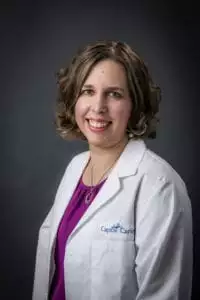
 Jacob Phillips, MD
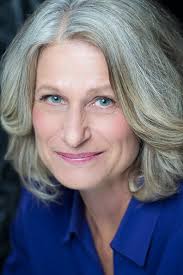
 Tabitha Gingerich, NP
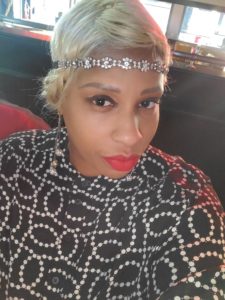
 Donna Smith
 Paulette Davidson, Chaplain
 Colleen Carberry, RN Case Manager
 Sherri Parker, Team Leader Medical Social Worker
 Steven Skobel’s Story
 Marrygold Ugorji’s Story
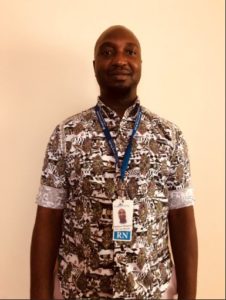 Sulaiman Bangura’s Story
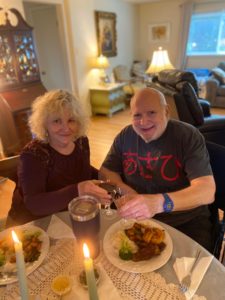 Neil Parker’s Story
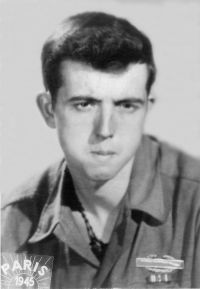 Michael Toohig’s Story
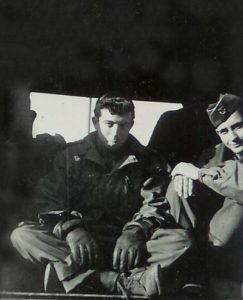 Liberating Europe
 Hershell Foster
 Hank Willner, M.D.
 Laura Branker
 Jason Parsons
 Altonia Garrett
 Kieran Shah
 Mandy Brouillard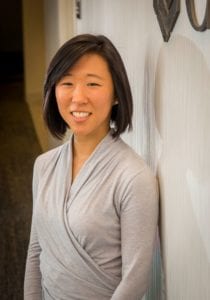
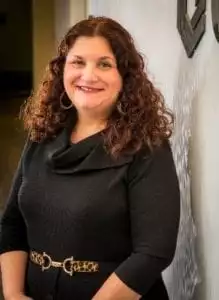 Sherri Parker
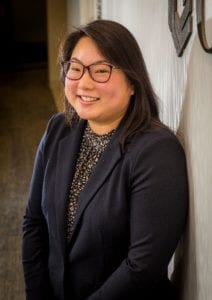 Sayaka Hanada
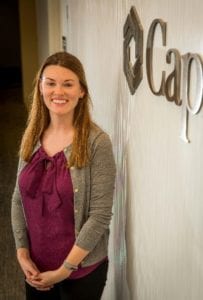 Caitlin Geary
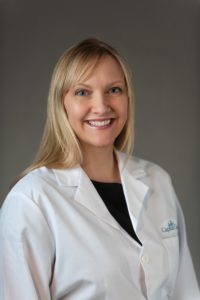 Heidi Young
 Linda Biedrzycki
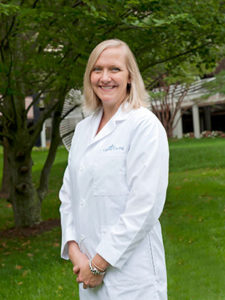 Heidi Young, M.D.
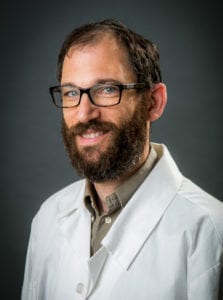 Jason Sobel, M.D.
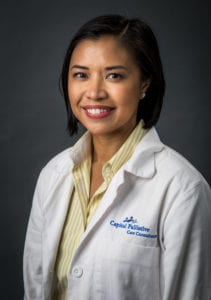 Anne Silao-Solomon, M.D.

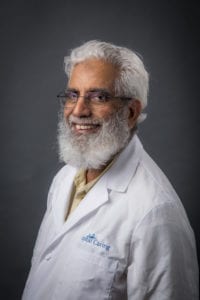 Mohammad Saleem, M.D.
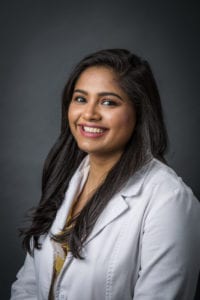 Maleeha Ruhi, M.D.
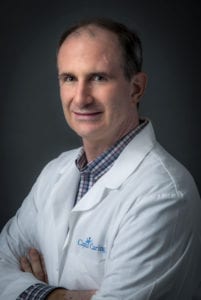 Christopher Pile, M.D.
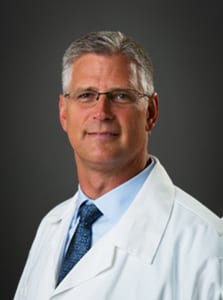 Cameron Muir, M.D.
 Fellowship
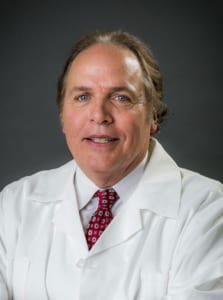 John McCue, D.O.
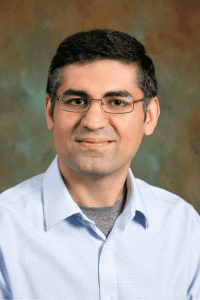 Peyman Mamdouhi, D.O.
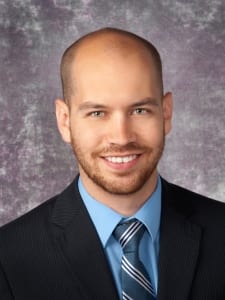 Adam Knudson, M.D.
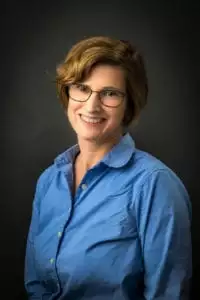 Amanda Keerbs, M.D.
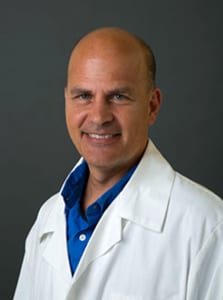 Matthew Irwin, M.D., M.S.W.
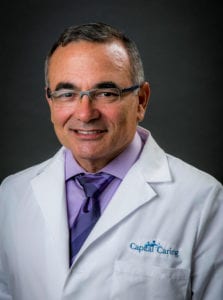 Alan Goldblatt, M.D.
 Jennifer Gerhard, D.O.
 Ray Jay Garcia, M.D.
 Tamara Barnes, M.D.
 Petros
 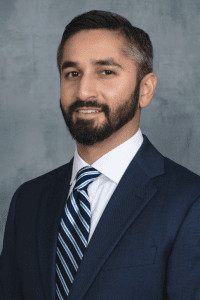 Shaz Anwar, D.O.
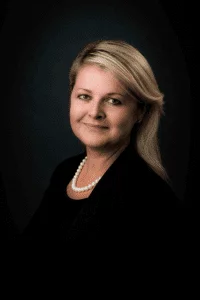 Lee-Anne West, M.D.
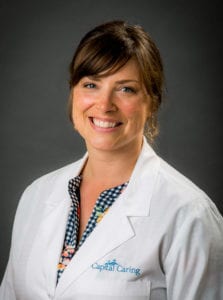 Melissa McClean, N.P.
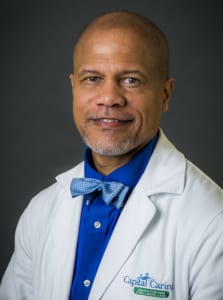 Michael Byas-Smith, M.D.
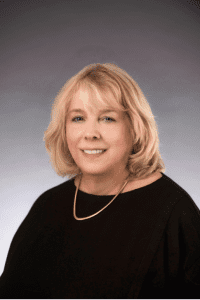 Nancy Cook
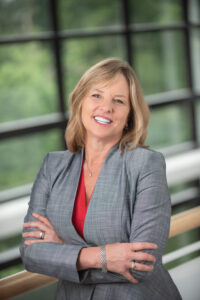 Kimberly Grove, CHPO,
  Steve Cone
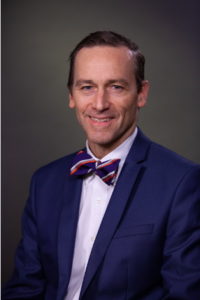 Eric De Jonge, M.D.
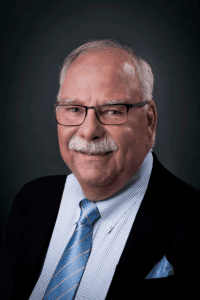 David Schwind
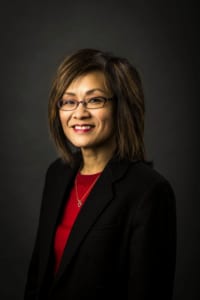 Vivian Hsia-Davis
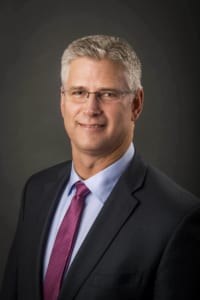 Cameron Muir, M.D.
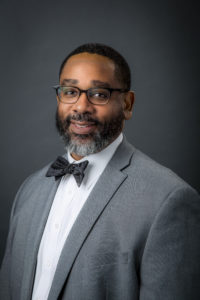 Keith Everett
 Susan Boris
 Carolyn Richar