
Capital Caring Health Plays Key Role in National Initiative
On December 9th, the National Partnership for Healthcare and Hospice Innovation (NPHI), known as the national voice for not-for-profit hospice and palliative care providers, announced a cross-industry cardiac care initiative. Read on to learn more about the exciting new developments at Capital Caring Health!
Each year, more Americans die from heart disease than any other condition, including cancer. Heart disease is also a leading cause for hospitalization: Patients with congestive heart failure (CHF) alone account for more than 1 million inpatient admissions annually.
Yet many of those hospital stays could have been prevented—and many of those patients could have lived longer and better lives—through palliative/advanced illness and hospice care delivered directly in the home.
With hospice’s focus on symptom and pain management, supportive and spiritual care, the specialty can reduce 911 calls, emergency room visits, and inpatient stays, even as it improves the quality of life for end-stage heart failure patients. In fact, one study shows that CHF patients under hospice care have a mean survival of 402 days versus 321 for non-hospice patients.*
But the sad fact is that few CHF patients ever receive the benefit of hospice care. Research reveals that only 5 percent of end-stage CHF patients covered by Medicare are referred to hospice or palliative care after hospitalization. As a result, thousands of end-stage cardiovascular patients nationwide are missing out on the physical comfort and emotional solace palliative/hospice care can provide.
National Partnership for Healthcare and Hospice Innovation (NPHI)—an association of non-profit hospices dedicated to helping people live fully through the end of life—along with other partners are tackling the issue. And Capital Caring Health, a founding member of NPHI, is playing a leading role based upon its expertise, experience and stature in the field.
The Need is Now
While the issue of advanced cardiac disease deserves attention at any time, the initiative could not be more timely, given the triple threat posed by:
- COVID-19: One of the most serious underlying conditions affecting the outcome for hospitalized coronavirus patients is heart disease, including Congestive Heart Failure. In fact, hospitalized COVID-19 patients with cardiovascular disease are twice as likely to die as those without the complication.
- Growing Prevalence: Already the leading cause of mortality in the US, heart disease is responsible for one out of every four deaths, with more than 655,000 Americans lost every year. Due to increases in obesity, diabetes, high blood pressure, high cholesterol—and growing numbers of older adults—the incidence of cardiovascular disease continues to rise.
- Disparities in Care: Although heart disease affects all Americans across the board, it can hit African Americans especially hard. As a group, African Americans are often diagnosed at a later stage, with more advanced and complicated conditions, often the result of poor or delayed access to the care they need.
There’s another, even broader, issue that impacts these patients and others that the Initiative hopes to resolve: low overall awareness, understanding, and use of both hospice and advanced illness/palliative care for all diseases. As an example, hospice admissions are particularly low among certain underserved, minority populations such as African Americans, Latino, and the LGBTQ community, for reasons that include historical and cultural factors. And much of the population isn’t aware that advanced illness/palliative care can manage symptoms even while curative care continues.
Yet, despite an initial lack of understanding, once a family member experiences palliative or hospice care, their perception changes dramatically with most saying they wish they had known about the service sooner.
The challenge is to raise community awareness of all that advanced illness, palliative, and hospice care offers, and of the critical difference it can make to patients with end-stage cardiac disease and their families.
Changing Attitudes, Actions
Through a new national initiative, CCH and other NPHI members dedicated to improving cardiac care will develop protocols and patient and family education resources to help professionals and consumers alike make informed decisions about advanced and end-of-life care.
Physician-directed guidelines will include evidenced-based information on when cardiologists, primary care providers, and others should consider palliative and/or hospice care. Studies show the greatest benefit comes when patients spend at least two to three months in hospice care; the initial Medicare coverage period is for six months.
In addition to physician-directed guidelines, the Initiative will also issue a companion guide for those living with CHF or newly diagnosed, featuring practical information and tools to safely manage symptoms at home. The latter is often a challenging and burdensome task, as advanced cardiac disease is usually accompanied by a number of serious symptoms including shortness of breath, major fatigue, persistent cough, edema (swelling, usually in the legs and ankles), chest pain, loss of appetite/nausea, and depression and anxiety…all issues that palliative and advanced care is uniquely qualified to address.
The initial set of resources is expected to roll out in the first quarter of 2021.
Lastly, a media campaign will help raise public awareness nationwide of the scope and quality of care that hospice provides for advanced cardiac care patients. Capital Caring Health currently provides care and support to many CHF patients and their families, witnessing firsthand the tremendous difference it makes. So we’ll be working with the media in the areas we serve to spread the word, too.
Heart to Heart
This Initiative is tackling a growing problem: Improving the care of end-stage advanced cardiac patients. By increasing awareness of palliative/hospice’s care, support, and symptom management provided safely at home, the focus can return to what matters most to patients and families: spending quality, meaningful time with loved ones at the end of life. That’s what all of us—Capital Caring Health and NPHI —want for everyone.
 Kathleen Ramkaran, RN, CCM
 Hali Gantumur
 Yasmin
  Jennifer Olsen GNP-BC
 Dr. Cheryl-Lynne McCalla, DO
 Meena Raj, MD,
 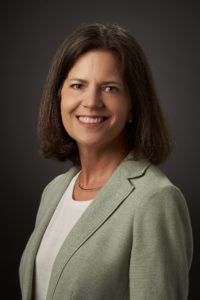 Catherine McGrady, RN, MSN, is Vice President, Clinical Programs at Capital Caring Health. In this role she is responsible for the development, implementation, and monitoring of clinical programs in support of high-quality patient-centered care delivery across the continuum of services. Catherine also manages external partnerships including Capital Caring Health’s participation in ACOs and other value-based clinical programs
 Catherine Kravolec
 Sherri Parker
 Anne Young
 Odessa Simpson
 Hope Collazo
 LaWanda Middleton
 Sally Hughes
 Jennifer Godwin
 Henry Fuller
 Margaret Doherty
 Evan Kirschner
 Gabby True
 Carla Thompson
 Shannon Collier
 Annette Lindsay
 Jason Sobel, MD
 Brenan Nierman
 Susan Roberts
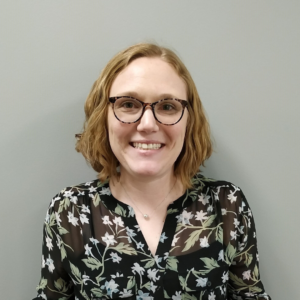 Jackie Gouline
 Stacy Brown
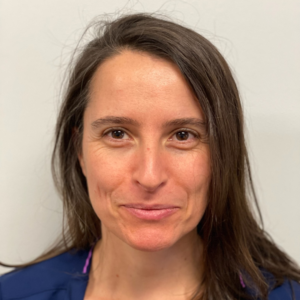 Kremena Bikov

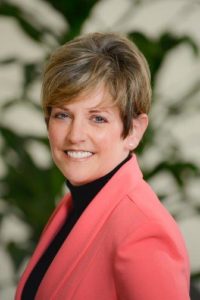
 Audrey Easaw
 Julia Feldman
 Gus has been a part of the Capital Caring Health family for nearly fifteen years. Ten of those years have been in leadership, working with colleagues and co-workers to achieve the best in their ability while promoting CCH core values. Gus has a background in nursing and a lifelong passion for technology. In each position at CCH, Gus has found ways to integrate technology to enhance outcomes and job satisfaction.
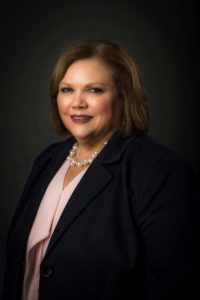 Pat Bishop
 Elizabeth Ariemma
 Joe Murray

 Lin Maurano
 Dwayne Barton, NP
 Jacob Phillips, MD
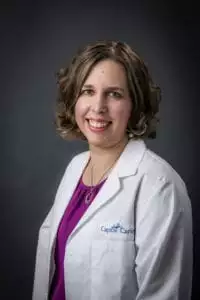 Tabitha Gingerich, NP
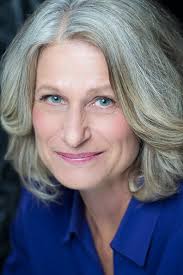 Donna Smith
 Paulette Davidson, Chaplain
 Colleen Carberry, RN Case Manager
 Sherri Parker, Team Leader Medical Social Worker
 Steven Skobel’s Story
 Marrygold Ugorji’s Story
 Sulaiman Bangura’s Story
 Neil Parker’s Story
 Michael Toohig’s Story
 Liberating Europe
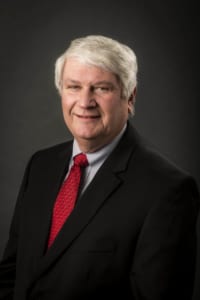 Hershell Foster
 Hank Willner, M.D.
 Laura Branker
 Jason Parsons
 Altonia Garrett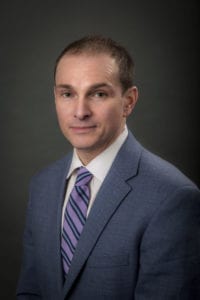
 Kieran Shah
 Mandy Brouillard
 Sherri Parker
 Sayaka Hanada
 Caitlin Geary
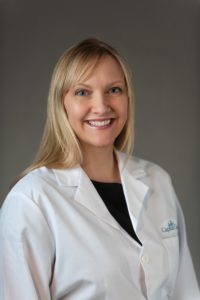 Heidi Young
 Linda Biedrzycki
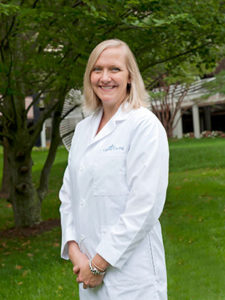 Heidi Young, M.D.
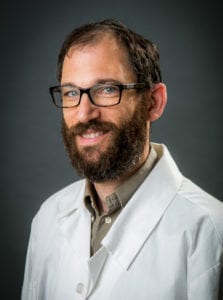 Jason Sobel, M.D.
 Anne Silao-Solomon, M.D.

 Mohammad Saleem, M.D.
 Maleeha Ruhi, M.D.
 Christopher Pile, M.D.
 Cameron Muir, M.D.
 Fellowship
 John McCue, D.O.
 Peyman Mamdouhi, D.O.
 Adam Knudson, M.D.
 Amanda Keerbs, M.D.
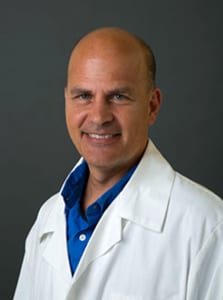 Matthew Irwin, M.D., M.S.W.
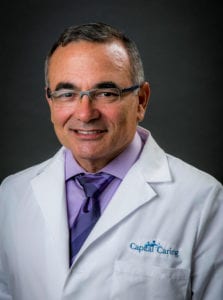 Alan Goldblatt, M.D.
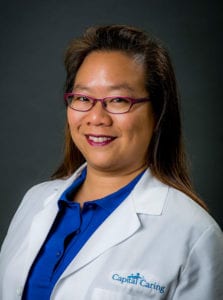 Jennifer Gerhard, D.O.
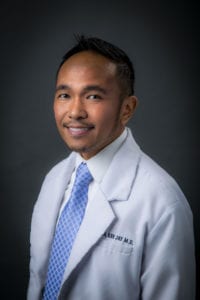 Ray Jay Garcia, M.D.
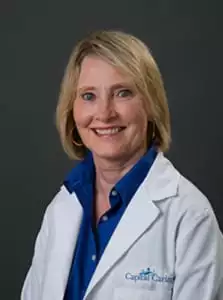 Tamara Barnes, M.D.
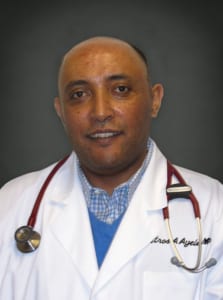 Petros
 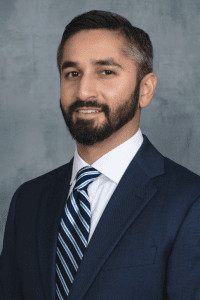 Shaz Anwar, D.O.
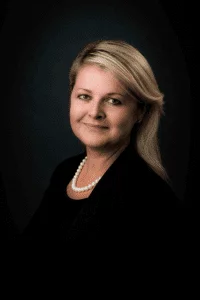 Lee-Anne West, M.D.
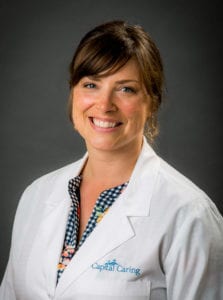 Melissa McClean, N.P.
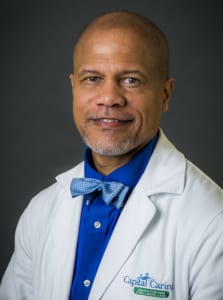 Michael Byas-Smith, M.D.
 Nancy Cook
 Kimberly Grove, CHPO,
  Steve Cone
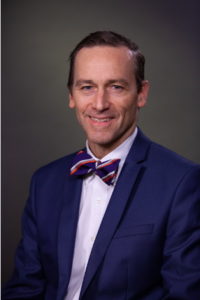 Eric De Jonge, M.D.
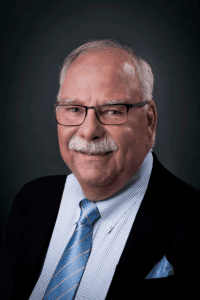 David Schwind
 Vivian Hsia-Davis
 Cameron Muir, M.D.
 Keith Everett
 Susan Boris
 Carolyn Richar