
When someone you love is living with an advanced illness, a lot of big questions show up all at once. One of the most common is, “What is hospice care, really?” You may have heard the term from a doctor, a friend, or on TV—but that doesn’t mean anyone has sat down and truly explained it.
This article will walk you through the hospice meaning and hospice definition in clear, simple language. We’ll also talk about how hospice care feels in real life—what it offers, what it doesn’t, and how it can support both patients and families during one of life’s most tender chapters.
Hospice Definition: A Different Kind of Care
At its core, hospice care is specialized medical care for people facing a serious, life-limiting illness when the focus shifts from curing the disease to maximizing comfort and quality of life.
Instead of asking, “How do we fight this disease at all costs?” hospice asks:
- How can we keep this person comfortable?
- How can we support their emotional, spiritual, and practical needs?
- How can we help the family and caregivers feel supported too?
Hospice care is not about “giving up.” It is about changing the goal—from living longer at any cost to living as comfortably and meaningfully as possible with the time that remains.
What Does Hospice Care Mean in Everyday Terms?
Sometimes the easiest way to understand hospice meaning is to imagine what daily life looks like with hospice in place.
Hospice care means:
- A nurse comes regularly to check on symptoms and adjust medications.
- A team is on call 24/7 so you don’t feel alone in the middle of the night with a new problem.
- Medications and medical equipment are delivered and managed for you, reducing stress.
- A social worker helps with emotional support, family conversations, and planning.
- Spiritual care providers and counselors are available if you want them.
- After the death, grief support is offered for loved ones.
In other words, hospice wraps a supportive circle around the patient and family, meeting them where they are—physically and emotionally.
Who Provides Hospice Care?
Hospice is delivered by an interdisciplinary team that works together to create a personalized plan of care. That team usually includes:
- Hospice physicians and nurse practitioners – guide medical decisions and adjust the care plan
- Registered nurses – manage symptoms, medications, and education
- Certified nursing assistants (CNAs) – help with bathing, dressing, and personal care
- Social workers – support emotional needs, help with resources, and assist with advance care planning
- Chaplains or spiritual care providers – offer spiritual and emotional support based on your beliefs and preferences
- Bereavement counselors – walk alongside loved ones through grief
- Volunteers – provide companionship, respite for caregivers, or help with small tasks
Everyone on the team is focused on one central question: “What matters most to this person and this family right now?”
Where Is Hospice Care Provided?
A common misconception is that hospice only happens in a special “hospice building.” In reality, hospice care can be provided in several places, depending on a person’s needs and preferences:
- At home – in a private residence, apartment, or family member’s home
- In assisted living or nursing facilities – with hospice staff working alongside facility staff
- In hospitals – when appropriate
- In dedicated inpatient hospice centers – for short stays when symptoms are difficult to control at home
Many people receive hospice right at home, where they can be surrounded by familiar sights, sounds, and people. When symptoms become too complex, short-term inpatient care can help stabilize the situation and restore comfort.
What Conditions Are Commonly Supported by Hospice?
Hospice care is based on a person’s overall condition and prognosis, not just a specific diagnosis. Common illnesses where hospice may be appropriate include:
- Advanced cancer
- Heart disease or heart failure
- Lung disease such as COPD
- Dementia and Alzheimer’s disease
- Kidney or liver failure
- Neurologic conditions such as ALS or advanced Parkinson’s disease
The key factor is whether the illness is advanced and life-limiting, and whether the main goal of care has shifted from cure to comfort.
When Does Hospice Care Usually Begin?
Hospice is designed for people who are believed to be in the last months of life, if the illness runs its usual course. This is often described as a prognosis of about six months or less.
In practice, people often start hospice later than they could, sometimes only in the last days or weeks. This unfortunately means they miss out on months of extra comfort, support, and guidance that hospice can provide.
It’s helpful to consider hospice when:
- Treatments are no longer helping or are causing more harm than good
- Hospital visits are frequent and exhausting
- The person is spending most of their day resting or in bed
- There is a growing focus on comfort and time with loved ones
Starting hospice earlier usually means more time for important conversations, meaningful visits, and better symptom relief.
What Services Does Hospice Care Include?
While the exact hospice services may vary based on individual needs, they commonly include:
- Pain and symptom management – using medications, positioning, and other methods
- Nursing care – regular visits to assess changes and provide skilled support
- Medical oversight – ongoing involvement from hospice physicians or nurse practitioners
- Personal care – assistance with bathing, grooming, and daily activities
- Medications and medical equipment related to the terminal diagnosis
- Social work services – emotional support and resource coordination
- Spiritual care – for patients and families, regardless of faith background
- Respite options – short breaks for caregivers
- Grief and bereavement support – for loved ones after death
The care plan is regularly reviewed and updated as the patient’s condition and goals change.
How Is Hospice Care Paid For?
For many people, hospice care is covered under a hospice benefit through Medicare, Medicaid, or private insurance. This benefit often covers:
- Hospice team visits
- Medications related to the terminal illness
- Medical equipment like hospital beds or oxygen
- Supplies needed for comfort and care
There may still be some costs that families are responsible for, such as room and board in certain settings or medications unrelated to the hospice diagnosis. Many nonprofit hospice organizations also offer financial assistance or charity care so that ability to pay is not a barrier to comfort and support.
If you’re unsure about coverage, the hospice team can review your situation and help you understand what your plan provides.
How Does Hospice Care Support Families and Caregivers?
One of the most meaningful aspects of hospice is how much it focuses on family and caregiver support. Hospice care recognizes that illness affects everyone in the household, not just the person who is sick.
For caregivers, hospice can:
- Teach safe ways to provide hands-on care
- Offer guidance on what to expect physically and emotionally as the illness progresses
- Provide emotional support and a safe place to talk about fear, guilt, or grief
- Arrange respite options so caregivers can rest and recharge
- Offer grief support after the loss
Families often say that hospice made them feel less alone, more confident, and better able to focus on being a spouse, child, or friend—not just a caregiver.
Myths and Misunderstandings About Hospice Care
Because hospice happens at such an emotional time, myths can spread easily. Here are a few common misunderstandings, along with clearer ways to think about them:
- Myth: “Hospice makes people die sooner.”
Hospice does not hasten death. It focuses on comfort and dignity, allowing nature to take its course while easing suffering. - Myth: “Hospice means no more treatment at all.”
Hospice stops aggressive, curative treatments but continues or introduces treatments that improve comfort and quality of life. - Myth: “You can only have hospice in the last few days.”
Hospice is intended for the last months, and earlier support often leads to a better experience for both patients and families. - Myth: “We’ll lose our current doctors.”
Hospice teams can work with your existing doctors, and you remain involved in all decisions.
Seeing hospice for what it truly is—a layer of extra support, not a sign of giving up—can make decisions feel less frightening and more thoughtful.
How to Start a Conversation About Hospice
Starting the hospice conversation can feel daunting, but it’s often a relief once it happens. Here are a few ways to begin:
- With a doctor:
“We’re wondering if it’s time to talk about hospice or comfort-focused care. Can we discuss that?” - With a loved one:
“I want to make sure you are as comfortable as possible. Have you thought about hospice or similar support?” - With the family:
“I think we need more help at home. Maybe it’s time to learn what hospice can offer us.”
You don’t have to have all the answers before making the call. Asking questions is a wise and caring step.
Frequently Asked Questions About ‘What Is Hospice Care?’
1. Is hospice care the same as giving up on treatment?
No. Hospice care is not about giving up; it’s about shifting goals. When treatments aimed at curing the illness are no longer helping or are causing significant side effects, many people choose to focus on comfort, dignity, and time with loved ones. Hospice offers medical care, emotional support, and practical help tailored to those goals. You are still receiving active, attentive care—it’s just directed toward managing symptoms, reducing stress, and honoring what matters most in the time that remains.
2. Can someone leave hospice if their situation changes?
Yes. Choosing hospice is not a one-way door. If a person’s condition improves significantly or if they decide to pursue aggressive treatment again, they can revoke hospice care and return to other forms of treatment. Hospice can also be re-started later if it becomes appropriate again. This flexibility allows patients and families to adjust their choices as situations change, while still receiving the care and support that makes the most sense at each stage of the illness journey.
3. How do doctors decide if someone is eligible for hospice?
Eligibility usually depends on a doctor’s judgment that a person has a life-limiting illness with an expected prognosis of about six months or less, if the disease follows its usual course. Doctors look at the diagnosis, overall health, how quickly the illness has progressed, and how the person is functioning day to day. Things like frequent hospitalizations, weight loss, and increasing need for help with daily activities can all be part of that picture. If you’re unsure, you can ask your doctor directly if hospice might be appropriate.
4. Does hospice care mean a person will be sedated or unable to talk?
Not at all. The goal of hospice is to relieve distressing symptoms while preserving as much alert, meaningful time as possible. Medications are carefully adjusted based on the person’s comfort and preferences. Some people choose more sedation for severe pain or anxiety; others prefer to stay more awake even if symptoms are a bit stronger. These are shared decisions, and the hospice team will explain options and listen closely to what the patient and family want at every step.
5. When should families start learning about hospice care?
The best time to learn about hospice is often before a crisis, when there is still room to think, talk, and plan calmly. You don’t have to wait until a doctor brings it up. If you notice that treatments are less effective, hospital stays are frequent, or your loved one is saying they are tired of aggressive care, it’s wise to ask about hospice. Getting information early doesn’t mean you have to enroll right away. It simply gives you the knowledge and support you need to make thoughtful, compassionate decisions when the time feels right.
 Kathleen Ramkaran, RN, CCM
 Hali Gantumur
 Yasmin
  Jennifer Olsen GNP-BC
 Dr. Cheryl-Lynne McCalla, DO
 Meena Raj, MD,
  Catherine McGrady, RN, MSN, is Vice President, Clinical Programs at Capital Caring Health. In this role she is responsible for the development, implementation, and monitoring of clinical programs in support of high-quality patient-centered care delivery across the continuum of services. Catherine also manages external partnerships including Capital Caring Health’s participation in ACOs and other value-based clinical programs
 Catherine Kravolec
 Sherri Parker
 Anne Young
 Odessa Simpson
 Hope Collazo
 LaWanda Middleton
 Sally Hughes
 Jennifer Godwin
 Henry Fuller
 Margaret Doherty
 Evan Kirschner
 Gabby True
 Carla Thompson
 Shannon Collier
 Annette Lindsay
 Jason Sobel, MD
 Brenan Nierman
 Susan Roberts
 Jackie Gouline
 Stacy Brown
 Kremena Bikov


 Audrey Easaw
 Julia Feldman
 Gus has been a part of the Capital Caring Health family for nearly fifteen years. Ten of those years have been in leadership, working with colleagues and co-workers to achieve the best in their ability while promoting CCH core values. Gus has a background in nursing and a lifelong passion for technology. In each position at CCH, Gus has found ways to integrate technology to enhance outcomes and job satisfaction.
 Pat Bishop
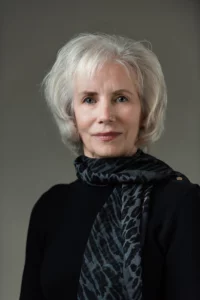 Elizabeth Ariemma
 Joe Murray

 Lin Maurano
 Dwayne Barton, NP
 Jacob Phillips, MD
 Tabitha Gingerich, NP
 Donna Smith
 Paulette Davidson, Chaplain
 Colleen Carberry, RN Case Manager
 Sherri Parker, Team Leader Medical Social Worker
 Steven Skobel’s Story
 Marrygold Ugorji’s Story
 Sulaiman Bangura’s Story
 Neil Parker’s Story
 Michael Toohig’s Story
 Liberating Europe
 Hershell Foster
 Hank Willner, M.D.
 Laura Branker
 Jason Parsons
 Altonia Garrett
 Kieran Shah
 Mandy Brouillard
 Sherri Parker
 Sayaka Hanada
 Caitlin Geary
 Heidi Young
 Linda Biedrzycki
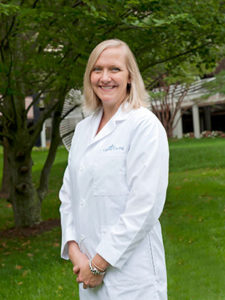 Heidi Young, M.D.
 Jason Sobel, M.D.
 Anne Silao-Solomon, M.D.

 Mohammad Saleem, M.D.
 Maleeha Ruhi, M.D.
 Christopher Pile, M.D.
 Cameron Muir, M.D.
 Fellowship
 John McCue, D.O.
 Peyman Mamdouhi, D.O.
 Adam Knudson, M.D.
 Amanda Keerbs, M.D.
 Matthew Irwin, M.D., M.S.W.
 Alan Goldblatt, M.D.
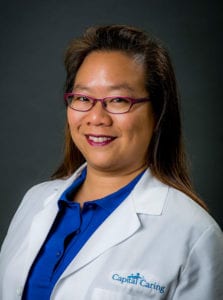 Jennifer Gerhard, D.O.
 Ray Jay Garcia, M.D.
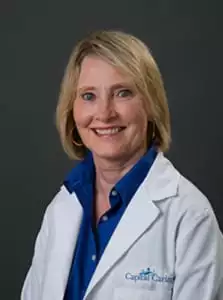 Tamara Barnes, M.D.
 Petros
  Shaz Anwar, D.O.
 Lee-Anne West, M.D.
 Melissa McClean, N.P.
 Michael Byas-Smith, M.D.
 Nancy Cook
 Kimberly Grove, CHPO,
  Steve Cone
 Eric De Jonge, M.D.
 David Schwind
 Vivian Hsia-Davis
 Cameron Muir, M.D.
 Keith Everett
 Susan Boris
 Carolyn Richar