For many families, the word “hospice” brings up strong emotions—fear, sadness, uncertainty, or even guilt. On top of that, there are many hospice myths and misconceptions that can make it even harder to ask questions or make decisions. Some people worry that hospice means “giving up,” that it will shorten life, or that it’s only for the last day or two.
In reality, hospice is a compassionate, highly skilled approach to care that focuses on comfort, dignity, and quality of life. Understanding the truth behind misconceptions about hospice can help you make choices that truly match your values and your loved one’s wishes.
Why So Many Myths Exist About Hospice
Serious illness is emotional and complex. Families often encounter hospice for the first time during a medical crisis or a difficult hospital stay. In those moments, it’s easy for half-remembered stories and assumptions to fill in the gaps.
Myths often arise because:
- Hospice is sometimes introduced late, so people only see it at the very end.
- Not everyone understands that hospice includes full medical care, not “no care.”
- Talking about death and dying is uncomfortable, so questions go unasked.
- Families share experiences that may not reflect how hospice is meant to work.
Taking time to learn what hospice actually is—and isn’t—can transform fear into understanding and even relief.
Myth #1: “Hospice Means Giving Up”
This is one of the most common—and painful—misconceptions about hospice.
In truth, hospice does not mean giving up. It means redefining what “good care” looks like when a serious illness is no longer responding to treatments aimed at cure, or when those treatments no longer match the person’s goals.
Instead of focusing on more tests or aggressive procedures, hospice focuses on:
- Comfort and symptom relief
- Emotional and spiritual support
- Time with loved ones
- Dignity and peace
Choosing hospice is an active decision to prioritize quality of life, not an act of surrender.
Myth #2: “Hospice Will Make My Loved One Die Sooner”
Some families worry that starting hospice is like “speeding up the end.” This myth can keep people from accessing support that would actually help.
Hospice does not:
- Give medications to hasten death
- Stop food or fluids to “make things go faster”
- Withdraw needed treatments without discussion
Hospice does:
- Control pain and other symptoms
- Prevent or reduce crises and panic
- Offer calm, attentive care
When symptoms are well-managed and stress is reduced, some people actually live longer or feel better than expected. Hospice neither speeds up nor slows down the natural course of illness; it changes the experience of that time.
Myth #3: “Hospice Is Only for the Last Few Days”
Many people don’t learn about hospice until the very end of life, so it’s easy to assume that’s the only time it can be used. In reality, hospice is designed for the last months of life, not just the last days or hours.
Starting hospice earlier can:
- Provide better symptom control
- Reduce emergency room visits and hospital stays
- Give families more time to learn, prepare, and adjust
- Allow for meaningful visits, conversations, and experiences
- Offer long-term emotional and spiritual support
When hospice starts very late, families often say, “We wish we had known about this sooner.”
Myth #4: “Hospice Means Stopping All Medications and Care”
Another common misconception about hospice is that all medications and treatments are stopped. That is not true.
In hospice, treatments that are no longer helpful or that cause more burden than benefit may be reduced or stopped. At the same time, hospice often continues or adds medications and therapies that focus on comfort, such as:
- Pain medications
- Medicines for shortness of breath, nausea, or anxiety
- Oxygen or other breathing support
- Gentle procedures that ease discomfort
Hospice remains very active medical care—it simply shifts the goal from cure to comfort.
Myth #5: “Hospice Is Only for Cancer or for Older Adults”
Hospice care is not limited to one diagnosis or one age group. It supports people with many serious illnesses, including:
- Advanced heart disease or heart failure
- Lung conditions like COPD or pulmonary fibrosis
- Dementia and other neurodegenerative disorders
- Kidney or liver failure
- Neurological conditions such as ALS or advanced Parkinson’s disease
- Cancer and many other diagnoses
Hospice can also support children and younger adults with life-limiting illnesses. What matters most is the stage of illness and the person’s goals, not their age or specific diagnosis.
Myth #6: “Hospice Is a Place You Go”
People sometimes picture hospice as a building where everyone goes at the end of life. While inpatient hospice centers do exist, hospice is primarily a type of care, not a location.
Hospice services can be provided:
- At home (private residence, apartment, or family home)
- In assisted living communities
- In nursing facilities
- In dedicated inpatient hospice centers for short stays
The hospice team comes to the patient, bringing medications, equipment, and support wherever they live.
Myth #7: “Once You Start Hospice, You Can’t Change Your Mind”
Some families hesitate to start hospice because they fear it’s an irreversible decision. In truth, hospice is a choice, and you can change that choice if your goals or situation change.
You can:
- Revoke hospice to pursue new treatments or clinical trials
- Return to hospice later if the illness progresses
- Ask the hospice team to adjust the care plan at any time
You—and your loved one—remain in charge. Hospice is there to support your decisions, not to take them away.
Myth #8: “Families Are On Their Own with Hospice”
Another misconception is that hospice means families must shoulder everything themselves. In fact, one of hospice’s core purposes is to support caregivers.
Hospice provides:
- Education on how to provide safe, effective care at home
- Help with bathing, personal care, and daily tasks
- Coaching on what to expect as the illness changes
- Emotional support for stress, guilt, and grief
- Respite options so caregivers can rest
Instead of leaving you alone, hospice walks alongside you.
Myth #9: “Talking About Hospice Takes Away Hope”
Talking about hospice does not remove hope—it reshapes it. Instead of hoping for cure at all costs, many people begin to hope for:
- Comfort and relief from suffering
- More time together at home or in a familiar place
- Honest, loving conversations
- A peaceful, dignified final chapter
Acknowledging reality can be painful, but it also opens space for deeper honesty, connection, and kindness. Hope becomes less about “fixing” the illness and more about caring well for one another.
Frequently Asked Questions About “Hospice Care Myths and Misconceptions”
1. Does choosing hospice mean we are giving up on our loved one?
No. Hospice care is not about giving up; it is about changing what “good care” means at this stage of illness. When treatments are no longer helping or no longer match what the person wants, hospice focuses on comfort, dignity, and time with loved ones. Pain and symptoms are treated just as actively as before—often more effectively—because the team can concentrate on quality of life instead of aggressive procedures. Choosing hospice is a way of saying, “Comfort, peace, and meaningful time together matter most now,” which is a deeply hopeful, intentional, and loving decision for everyone involved.
2. Does hospice care make someone die sooner?
Hospice does not speed up dying. It also does not try to prolong life at any cost. Instead, hospice focuses on easing pain, shortness of breath, anxiety, and other distressing symptoms so the body is not under added strain day after day. When symptoms are controlled and crises are prevented, some people actually live longer or feel better than expected. The timing of death is determined by the illness, not by hospice. What hospice changes is how comfortable, supported, respected, and peaceful that time can be for both the patient and the family every single day.
3. Is hospice only appropriate in the last few days of life?
Hospice is designed for the final months of life, not just the last few days or hours. Unfortunately, many people are referred very late because families and even some clinicians think hospice is only for the very end. Starting earlier allows more time to build relationships with the team, adjust medications, stabilize symptoms, and create meaningful experiences at home or in a facility. It also gives caregivers more training, emotional support, and room to breathe. If you wait until the last moment, hospice can still help, but many important benefits may be lost unnecessarily.
4. Once we start hospice, can we ever go back to other treatments?
No. You are always in control of your care, and hospice does not take that away. If you decide to pursue new treatments aimed at curing the illness or significantly prolonging life, you can revoke hospice and resume other services at any time. If the illness later progresses, hospice can be restarted when appropriate with a new plan tailored to current needs. Within hospice, you can ask questions, request medication adjustments, or decline services that do not feel right. The team offers expert guidance, but the patient and family remain the final decision-makers throughout.
5. Is hospice always provided in a special facility?
Hospice is a level of care, not just a place. Many people receive hospice services right where they live: in a private home, apartment, assisted living community, or nursing facility. The hospice team comes to the patient with medications, equipment, and support tailored carefully to their needs. Inpatient hospice centers do exist, but they are usually for short stays when symptoms are too difficult to manage at home safely and comfortably. The focus is always on comfort and support, wherever the patient calls home, rather than on moving someone away from familiar surroundings unnecessarily.
 Kathleen Ramkaran, RN, CCM
 Hali Gantumur
 Yasmin
  Jennifer Olsen GNP-BC
 Dr. Cheryl-Lynne McCalla, DO
 Meena Raj, MD,
 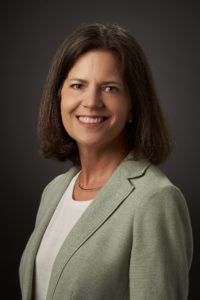 Catherine McGrady, RN, MSN, is Vice President, Clinical Programs at Capital Caring Health. In this role she is responsible for the development, implementation, and monitoring of clinical programs in support of high-quality patient-centered care delivery across the continuum of services. Catherine also manages external partnerships including Capital Caring Health’s participation in ACOs and other value-based clinical programs
 Catherine Kravolec
 Sherri Parker
 Anne Young
 Odessa Simpson
 Hope Collazo
 LaWanda Middleton
 Sally Hughes
 Jennifer Godwin
 Henry Fuller
 Margaret Doherty
 Evan Kirschner
 Gabby True
 Carla Thompson
 Shannon Collier
 Annette Lindsay
 Jason Sobel, MD
 Brenan Nierman
 Susan Roberts
 Jackie Gouline
 Stacy Brown
 Kremena Bikov

 Audrey Easaw
 Julia Feldman
 Gus has been a part of the Capital Caring Health family for nearly fifteen years. Ten of those years have been in leadership, working with colleagues and co-workers to achieve the best in their ability while promoting CCH core values. Gus has a background in nursing and a lifelong passion for technology. In each position at CCH, Gus has found ways to integrate technology to enhance outcomes and job satisfaction.
 Pat Bishop
 Elizabeth Ariemma
 Joe Murray
 Lin Maurano
 Dwayne Barton, NP
 Jacob Phillips, MD
 Tabitha Gingerich, NP
 Donna Smith
 Paulette Davidson, Chaplain
 Colleen Carberry, RN Case Manager
 Sherri Parker, Team Leader Medical Social Worker
 Steven Skobel’s Story
 Marrygold Ugorji’s Story
 Sulaiman Bangura’s Story
 Neil Parker’s Story
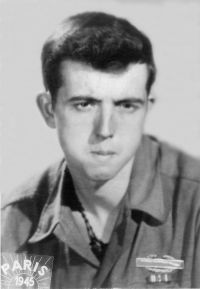 Michael Toohig’s Story
 Liberating Europe
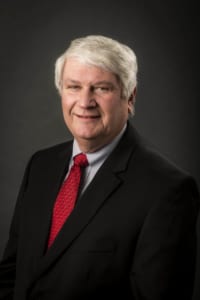 Hershell Foster
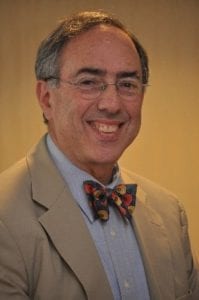 Hank Willner, M.D.
 Laura Branker
 Jason Parsons
 Altonia Garrett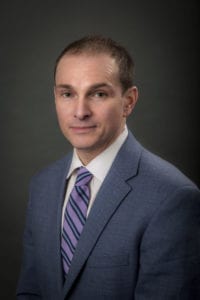
 Kieran Shah
 Mandy Brouillard
 Sherri Parker
 Sayaka Hanada
 Caitlin Geary
 Heidi Young
 Linda Biedrzycki
 Heidi Young, M.D.
 Jason Sobel, M.D.
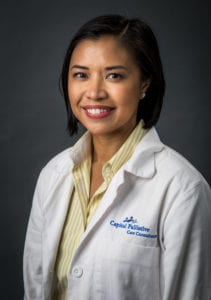 Anne Silao-Solomon, M.D.

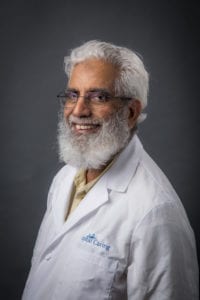 Mohammad Saleem, M.D.
 Maleeha Ruhi, M.D.
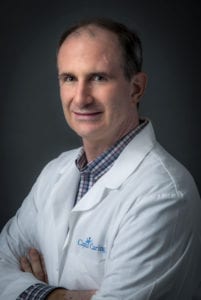 Christopher Pile, M.D.
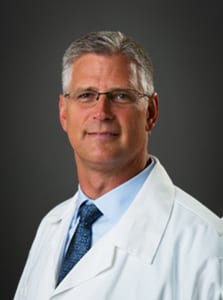 Cameron Muir, M.D.
 Fellowship
 John McCue, D.O.
 Peyman Mamdouhi, D.O.
 Adam Knudson, M.D.
 Amanda Keerbs, M.D.
 Matthew Irwin, M.D., M.S.W.
 Alan Goldblatt, M.D.
 Jennifer Gerhard, D.O.
 Ray Jay Garcia, M.D.
 Tamara Barnes, M.D.
 Petros
  Shaz Anwar, D.O.
 Lee-Anne West, M.D.
 Melissa McClean, N.P.
 Michael Byas-Smith, M.D.
 Nancy Cook
 Kimberly Grove, CHPO,
  Steve Cone
 Eric De Jonge, M.D.
 David Schwind
 Vivian Hsia-Davis
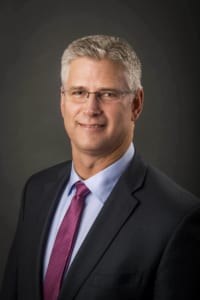 Cameron Muir, M.D.
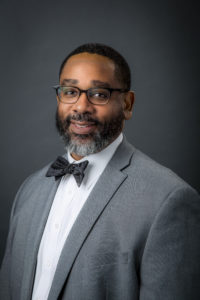 Keith Everett
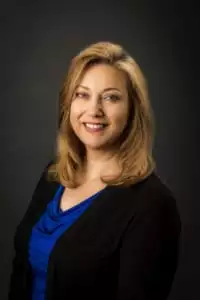 Susan Boris
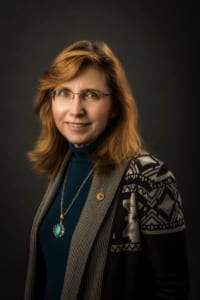 Carolyn Richar