
When you or a loved one struggles with an advanced illness, therapy and emotional support are extremely important. The physical health of people with serious illnesses is always a priority, but their emotional health and well-being also need to be looked after. Today, therapy and emotional support come in many shapes and sizes to help those who need it. If you’ve ever had a pet, you know the positive impact they can have. Because of this, therapy dogs have become a more common way of providing support.
Therapy dogs can bring a great deal of comfort for those battling serious illnesses. At Capital Caring Health, we offer therapy dogs in Washington, D.C., as a service for our patients. We’re the first hospice in the area to participate in the Pet Peace of Mind program, which provides patients in hospice care around the country with therapy dogs.
How Do Therapy Dogs Help?
When you think of the care given for advanced illnesses and medical conditions, you might not think of getting to spend time with animals. Therapy dogs might not seem like a typical form of therapy, but they can be very effective. The relationship we have with animals is special. Part of what being around a dog is so enjoyable is the unconditional love they provide. Dogs used for this therapy aren’t like your typical pet, either. Therapy dogs are trained for this service, so they know how to respond to signs of anxiety and depression to provide emotional support when it’s needed. With a therapy dog, you can spend your time being playful or enjoy a quiet moment relaxing with them.
Therapy dogs can provide support for many of our hospice patients and others who use our services. Nearly anyone who needs comfort can benefit from petting, or simply being around a therapy dog. If a patient has communication issues due to their illness, a therapy dog can be beneficial. Regardless of how you’re able to communicate with other people, forming a connection with a therapy dog is easy for anyone. Of course, many children look forward to any opportunity to pet and play with a dog. Therapy dogs are often used for breathing children to provide comfort and companionship as they go through this difficult moment. These dogs can help distract us from some of our worst moments and instantly improve our moods.
Learn More About Therapy Dogs in Washington, D.C.
At Capital Caring Health, our goal is to do whatever we can to provide comfort to those with an advanced illness or people who have lost a loved one. There are many ways we can go about doing this depending on a person’s individual needs, but few things compare to the loyalty and love a dog can provide. Dealing with stress and other emotions that can come from struggling with an illness can take a huge toll on anyone, and the comfort of a trained therapy dog can provide some relief.
Volunteers play an important role at Capital Caring Health and in our therapy dog program. Our volunteers help make the program possible.
Contact us to learn more about our therapy dog program.
 Kathleen Ramkaran, RN, CCM
 Hali Gantumur
 Yasmin
  Jennifer Olsen GNP-BC
 Dr. Cheryl-Lynne McCalla, DO
 Meena Raj, MD,
 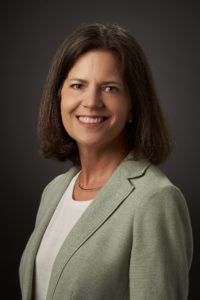 Catherine McGrady, RN, MSN, is Vice President, Clinical Programs at Capital Caring Health. In this role she is responsible for the development, implementation, and monitoring of clinical programs in support of high-quality patient-centered care delivery across the continuum of services. Catherine also manages external partnerships including Capital Caring Health’s participation in ACOs and other value-based clinical programs
 Catherine Kravolec
 Sherri Parker
 Anne Young
 Odessa Simpson
 Hope Collazo
 LaWanda Middleton
 Sally Hughes
 Jennifer Godwin
 Henry Fuller
 Margaret Doherty
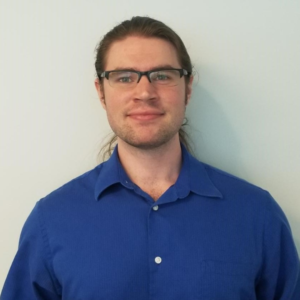 Evan Kirschner
 Gabby True
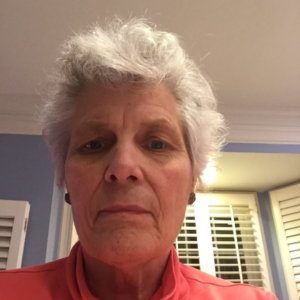 Carla Thompson
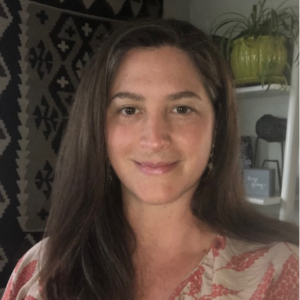 Shannon Collier
 Annette Lindsay
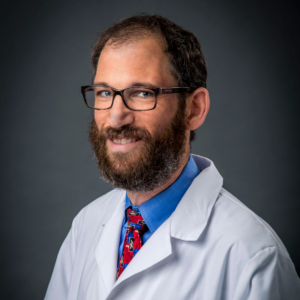 Jason Sobel, MD
 Brenan Nierman
 Susan Roberts
 Jackie Gouline
 Stacy Brown
 Kremena Bikov

 Audrey Easaw
 Julia Feldman
 Gus has been a part of the Capital Caring Health family for nearly fifteen years. Ten of those years have been in leadership, working with colleagues and co-workers to achieve the best in their ability while promoting CCH core values. Gus has a background in nursing and a lifelong passion for technology. In each position at CCH, Gus has found ways to integrate technology to enhance outcomes and job satisfaction.
 Pat Bishop
 Elizabeth Ariemma
 Joe Murray

 Lin Maurano
 Dwayne Barton, NP
 Jacob Phillips, MD
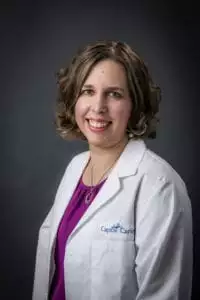 Tabitha Gingerich, NP
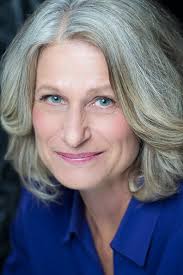 Donna Smith
 Paulette Davidson, Chaplain
 Colleen Carberry, RN Case Manager
 Sherri Parker, Team Leader Medical Social Worker
 Steven Skobel’s Story
 Marrygold Ugorji’s Story
 Sulaiman Bangura’s Story
 Neil Parker’s Story
 Michael Toohig’s Story
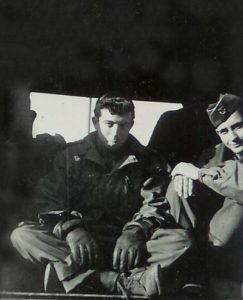 Liberating Europe
 Hershell Foster
 Hank Willner, M.D.
 Laura Branker
 Jason Parsons
 Altonia Garrett
 Kieran Shah
 Mandy Brouillard
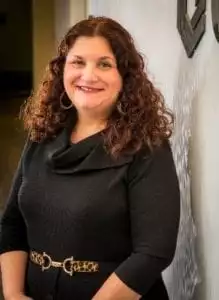 Sherri Parker
 Sayaka Hanada
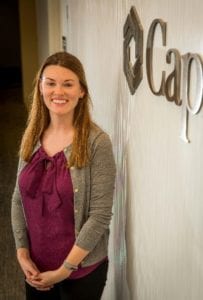 Caitlin Geary
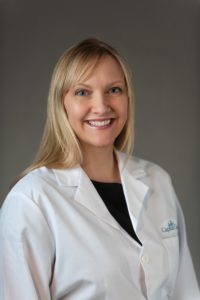 Heidi Young
 Linda Biedrzycki
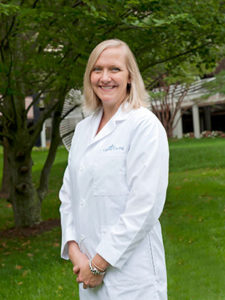 Heidi Young, M.D.
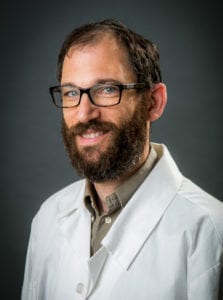 Jason Sobel, M.D.
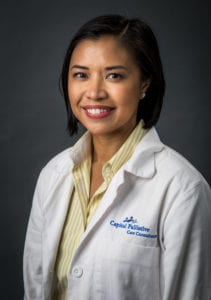 Anne Silao-Solomon, M.D.

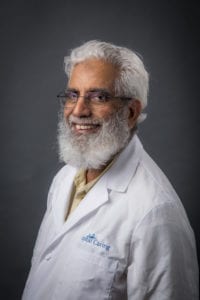 Mohammad Saleem, M.D.
 Maleeha Ruhi, M.D.
 Christopher Pile, M.D.
 Cameron Muir, M.D.
 Fellowship
 John McCue, D.O.
 Peyman Mamdouhi, D.O.
 Adam Knudson, M.D.
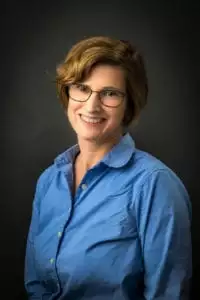 Amanda Keerbs, M.D.
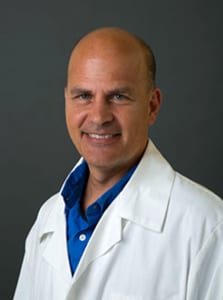 Matthew Irwin, M.D., M.S.W.
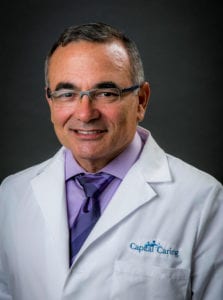 Alan Goldblatt, M.D.
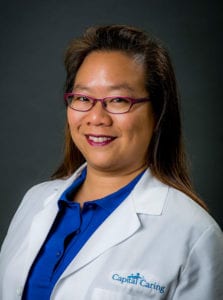 Jennifer Gerhard, D.O.
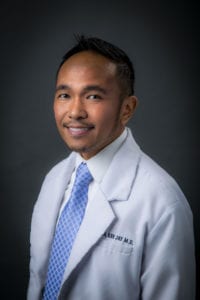 Ray Jay Garcia, M.D.
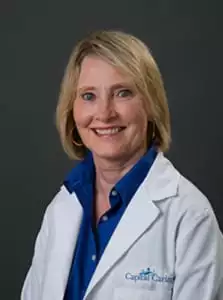 Tamara Barnes, M.D.
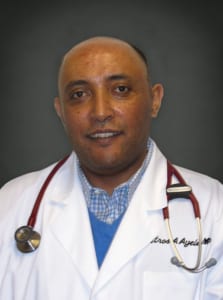 Petros
 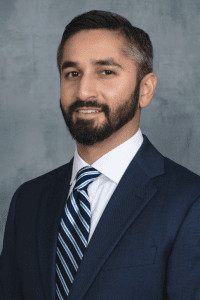 Shaz Anwar, D.O.
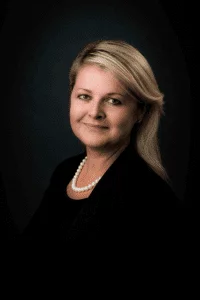 Lee-Anne West, M.D.
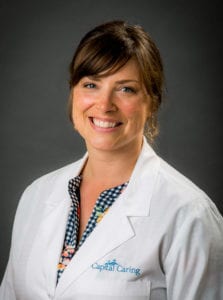 Melissa McClean, N.P.
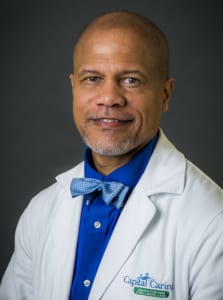 Michael Byas-Smith, M.D.
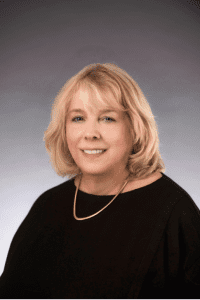 Nancy Cook
 Kimberly Grove, CHPO,
  Steve Cone
 Eric De Jonge, M.D.
 David Schwind
 Vivian Hsia-Davis
 Cameron Muir, M.D.
 Keith Everett
 Susan Boris
 Carolyn Richar